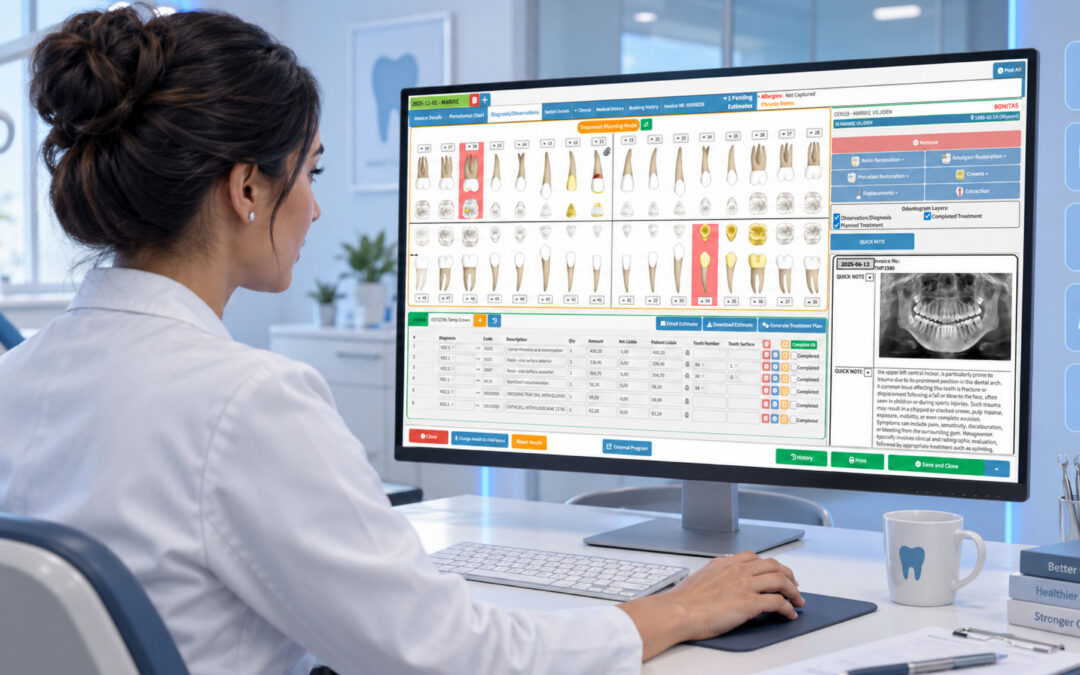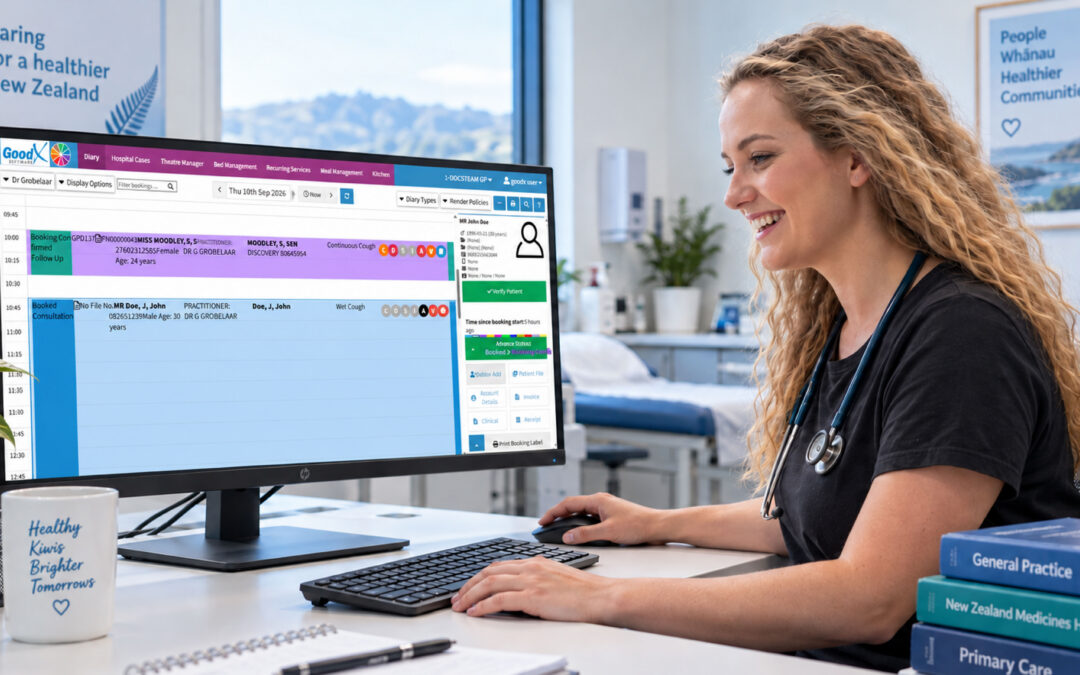
A health care management system software platform is the operational backbone of a modern New Zealand medical practice. It coordinates every aspect of practice management, from the first patient interaction through to payment reconciliation and performance reporting. When this system works well, clinical and administrative staff can focus on what they do best. When it does not, inefficiency ripples across every part of the practice.
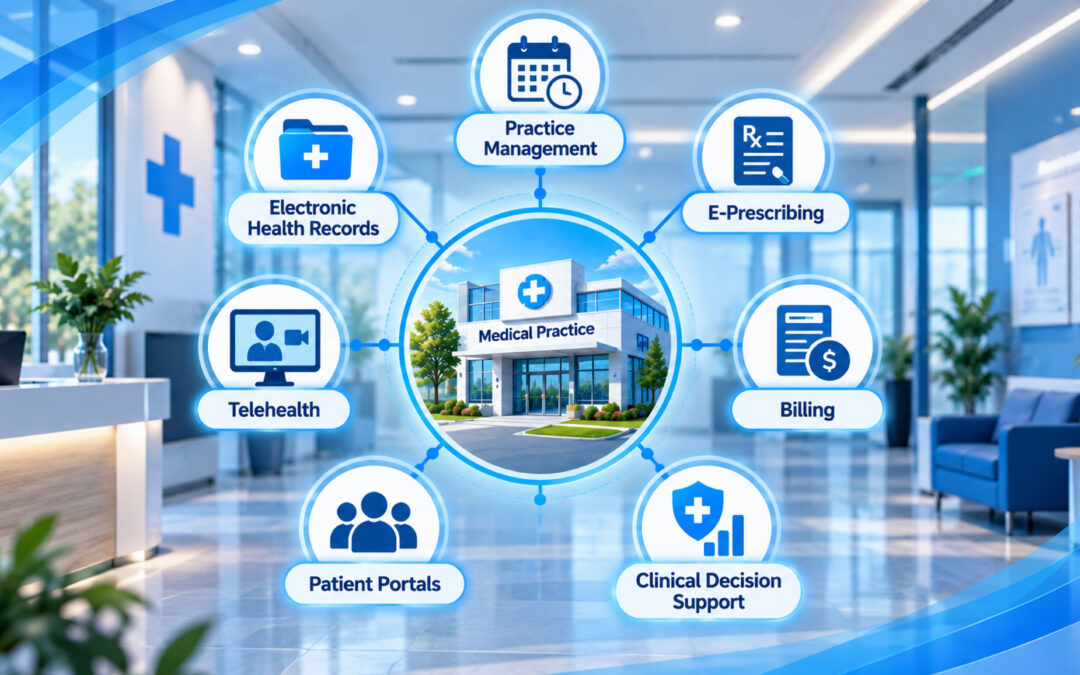
The definition of health care management system software has expanded considerably. What once referred primarily to appointment scheduling and billing now encompasses integrated clinical records, patient communication tools, workforce management, and analytics capabilities. New Zealand practices evaluating their options need to understand both the breadth of what modern platforms offer and how to match that capability to their specific context.
Medical Practice Management Software: Core Functions and Considerations
Medical practice management software forms the administrative core of any health care management system. It handles appointment scheduling, patient registration, insurance and funding claim management, and financial reporting. In the New Zealand context, this means supporting ACC billing alongside private billing and any DHB or Te Whatu Ora funded services the practice delivers.
The Health Quality and Safety Commission New Zealand emphasises the role of proactive patient engagement in improving preventive care outcomes. Practices with CRM capabilities built into their health care management system are better positioned to deliver the kind of proactive outreach that improves long-term health outcomes.
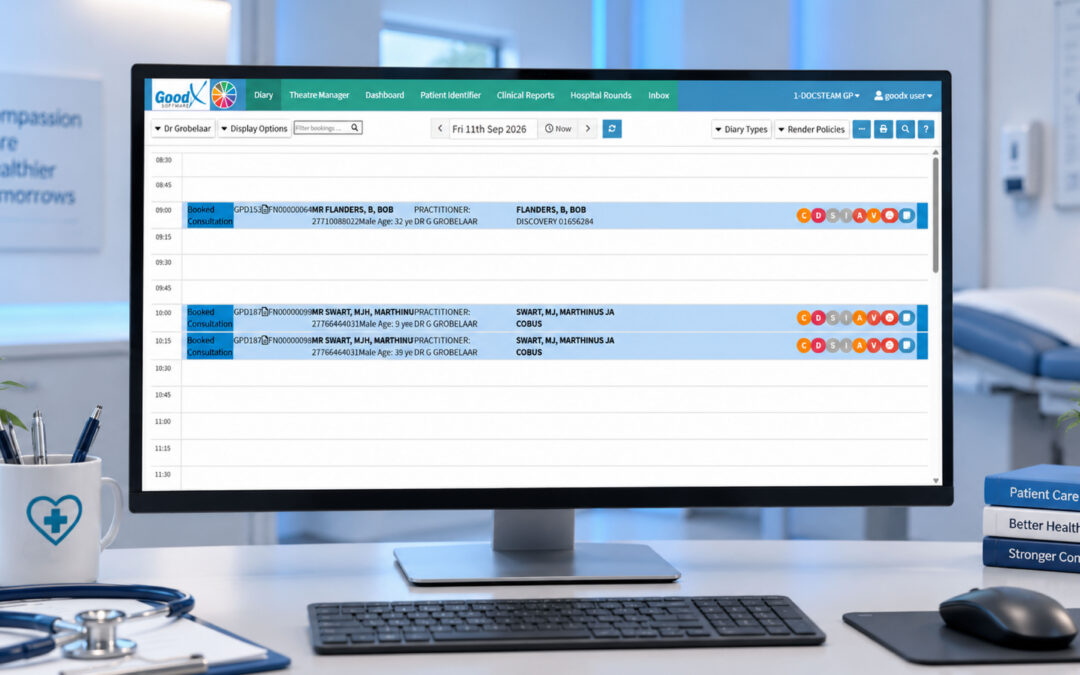
Scheduling functionality in modern practice management software goes beyond a digital appointment book. It manages provider availability across multiple rooms and locations, handles online booking through patient-facing portals, sends automated reminders to reduce no-shows, and generates waitlist reports for high-demand appointment types. These capabilities directly affect both patient experience and the practice’s capacity utilisation.
Te Whatu Ora (Health New Zealand) provides national guidance on digital health standards and the adoption of health information systems in the New Zealand context. Practices considering new practice management software should ensure their chosen platform aligns with national digital health strategy requirements.
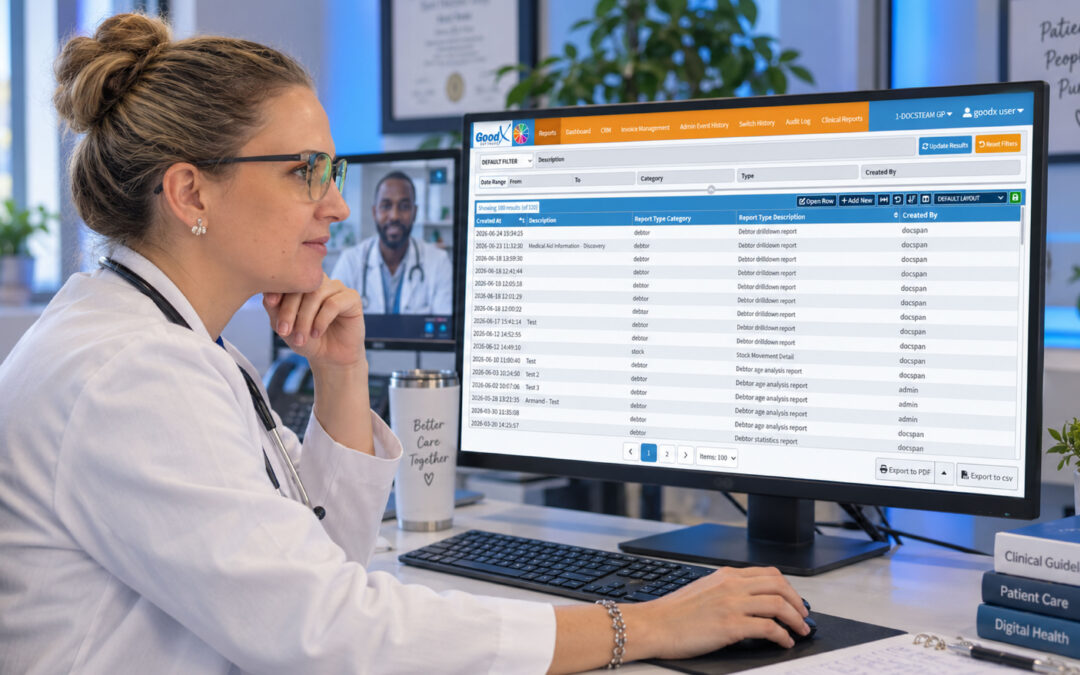
Financial management tools within practice management software help practice owners understand where their revenue comes from and where it is at risk. Accounts receivable aging reports, payer-specific denial analysis, and revenue by provider dashboards give practice managers the information they need to manage financial performance proactively rather than reactively.
Hospital Management Software vs Clinic-Level Systems
Hospital management software is designed for the complexity of inpatient care settings, where multiple clinical departments, wards, theatre scheduling, pathology, radiology, and pharmacy all need to be coordinated in real time. These platforms are powerful, but they are also complex and expensive to implement and maintain.
For most New Zealand GP practices and specialist clinics, hospital management software is significantly over-specified. A clinic-level health care management system is a better fit: purpose-built for outpatient and primary care workflows, with the depth of clinical and billing functionality that general practices and specialist clinics need without the operational overhead of a hospital-grade system.
The distinction matters when evaluating vendors. Some companies offer both enterprise hospital systems and clinic-level platforms. Others focus exclusively on one segment. For New Zealand practices, a platform built specifically for the outpatient and primary care environment is generally more intuitive, more cost-effective, and easier to implement than a scaled-down hospital system.
GoodX is designed for medical practices rather than hospital settings, which means the workflows, terminology, and features reflect how a GP surgery or specialist clinic actually operates. This focus on the practice environment makes the platform more immediately usable for clinical and administrative staff. To ensure digital systems meet safety standards, the Health Information Standards Organisation (HISO) manages the development of health data standards in New Zealand.
CRM for Healthcare: Managing Patient Relationships at Scale
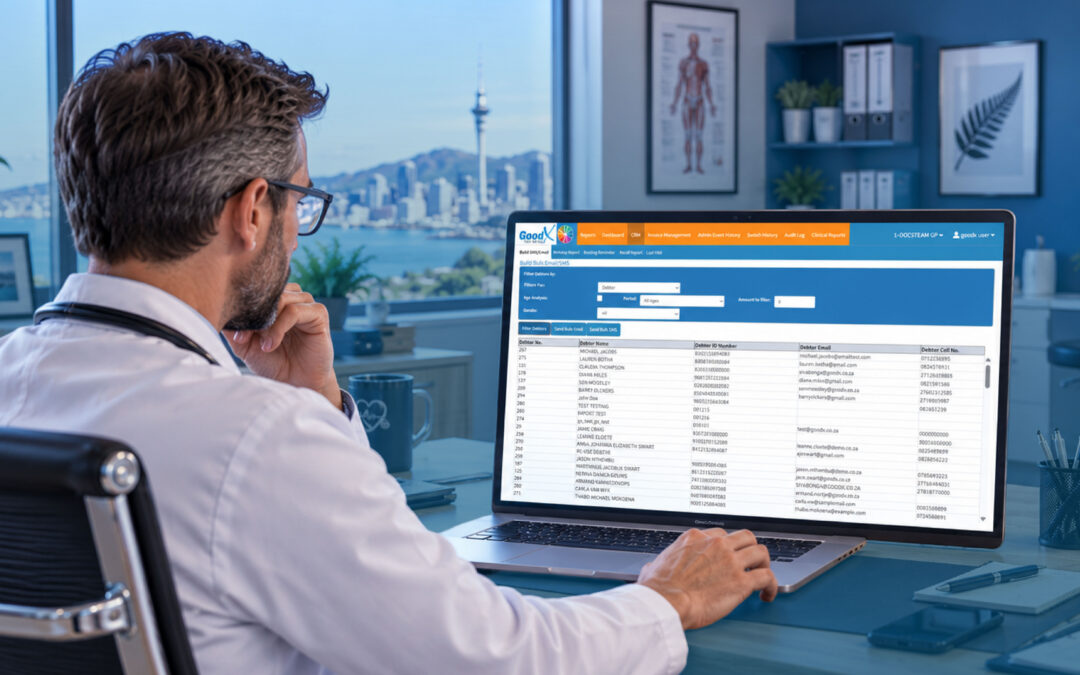
CRM for healthcare is a relatively recent addition to the health care management system software category, and one that is increasingly relevant as New Zealand practices compete for patients in a changing primary care landscape. A healthcare CRM tracks patient engagement, manages communication workflows, and helps practices identify patients who have fallen out of regular care.
In practical terms, a healthcare CRM enables practices to send targeted health promotion messages to patient segments based on clinical criteria, recall patients who are overdue for preventive care screenings or chronic disease reviews, and manage follow-up workflows for patients who did not attend appointments or who received a referral that has not yet been acted upon.
For practices managing patients with chronic conditions, CRM functionality supports care plan adherence. Automated reminders for medication reviews, regular monitoring appointments, and specialist follow-ups keep patients on track and reduce the risk of preventable complications that lead to acute presentations. Adhering to high standards of data governance is essential, and the Medical Council of New Zealand provides resources on the maintenance of patient records and privacy.
Choosing the Right Health Care Management System for Your Practice
The right health care management system for a New Zealand practice is the one that your clinical and administrative team will actually use consistently. The most capable platform in the market delivers no value if adoption is poor. For this reason, usability and workflow fit should be weighted heavily in the evaluation process alongside feature depth and vendor credentials.
Implementation support is also a critical factor. The transition to a new health care management system involves data migration, staff training, and workflow adaptation. Vendors that provide structured implementation programmes with dedicated support during the go-live period significantly reduce the risk of a difficult transition. Ask for references from practices of similar size and type that have recently completed implementation.
Frequently Asked Questions
What is health care management system software?
Health care management system software is an integrated platform that manages the clinical, administrative, and financial workflows of a medical practice or health service. It typically includes appointment scheduling, patient records, billing, financial reporting, and patient communication tools. Modern systems also incorporate analytics and CRM capabilities.
What does medical practice management software include?
Medical practice management software includes appointment scheduling, patient registration, billing and claim management, financial reporting, and often patient portal functionality. Integrated platforms also include clinical record management, allowing clinical documentation and billing to flow through a single connected system rather than separate tools.
What is the difference between hospital management software and practice management software?
Hospital management software is designed for the complexity of inpatient settings with multiple departments, wards, and clinical services. Practice management software is tailored for outpatient and primary care settings such as GP surgeries and specialist clinics. For most NZ practices, clinic-level practice management software is a better fit than a scaled-down hospital system.
How does CRM for healthcare benefit a New Zealand practice?
CRM for healthcare helps practices manage patient relationships at scale by automating recall communications, tracking patient engagement, and identifying patients who are overdue for preventive care or chronic disease reviews. This proactive engagement improves care outcomes, reduces missed appointments, and supports the delivery of funded care programmes.
Is GoodX suitable for both GP and specialist practices in New Zealand?
Yes, GoodX supports both GP practices and specialist clinics in New Zealand. The platform is designed for the outpatient and primary care environment and handles the billing, clinical record, and practice management needs of a wide range of practice types. It supports private billing as well as the funding structures relevant to the New Zealand health system.
Take Control of Your Practice with GoodX
A health care management system software platform that integrates clinical records, practice management, and financial reporting is the foundation of an efficient, patient-centred New Zealand medical practice. GoodX delivers this in one connected platform built specifically for healthcare.