Eye care practices in New Zealand face a distinctive set of operational demands. Managing sight testing, dispensing, diagnostic equipment data, contact lens fitting, and the ongoing care of patients with chronic conditions like glaucoma or diabetic retinopathy all require specialised workflows. The right eye care software brings these demands together in a single, manageable platform. This guide covers what New Zealand optometry practices need from their software and what to look for when making a decision.
Optometry Software: What New Zealand Eye Care Providers Need
The Unique Demands of Optometry Practice Management
Optometry practice management is fundamentally different from general medical practice. Your team handles clinical eye examinations, manages diagnostic equipment outputs, processes optical dispensing, coordinates contact lens orders, and tracks long-term conditions. All of these require different data structures and workflows in your software.
In New Zealand, the Optometrists and Dispensing Opticians Board sets the professional and ethical standards that practices must follow. Your software needs to support these compliance requirements, from documentation standards through to patient record security.
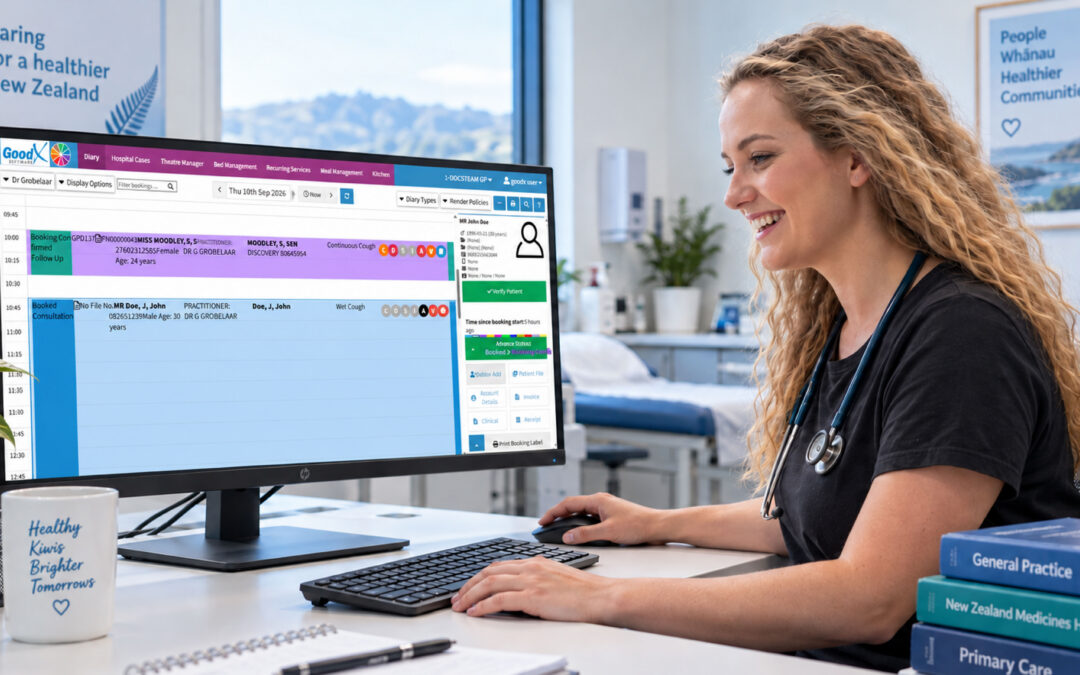
Good optometry software brings all these workflows into one platform. You manage appointments for sight tests and contact lens consultations in the same calendar. Prescription data flows directly into your dispensing module. Diagnostic equipment data syncs into patient records without manual entry. This integration reduces errors and saves time.
Government-Funded Eye Health Services in New Zealand
New Zealand optometry practices operate across multiple funding streams. The Spectacles Subsidy Scheme covers funded spectacles for eligible patients. The Vision Impairment programme supports patients with low vision needs. ACC-funded consultations cover work-related and injury-related eye conditions. Your practice likely handles all three, alongside fully private patient billing.
This creates a billing challenge that standard practice software simply cannot handle. You need optometry software that understands New Zealand government subsidy schemes, manages eligibility checking, and generates invoices correctly for each funding type. Errors in subsidy billing create delays and practice revenue problems. Te Whatu Ora Health New Zealand manages these schemes, and good software integrates with their reporting requirements.
Software designed specifically for New Zealand optometry practices includes these funding rules built in. You select the appropriate subsidy scheme during appointment booking or invoice generation, and the software applies the correct billing rules automatically.
Core Administrative Features for Optometry Practices
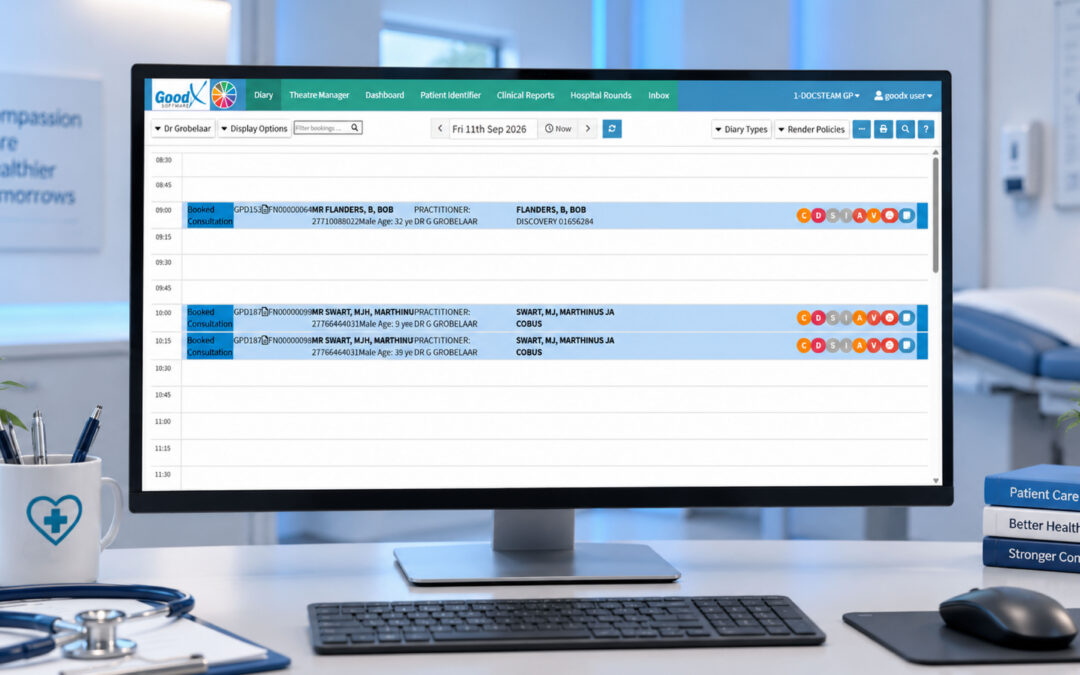
At the administrative foundation, optometry software must handle patient registration with complete contact details and vision history. Appointment scheduling needs to support different appointment types: routine sight tests, contact lens consultations, review appointments for chronic eye conditions, and urgent medical referrals. Each type has different durations and resource requirements.
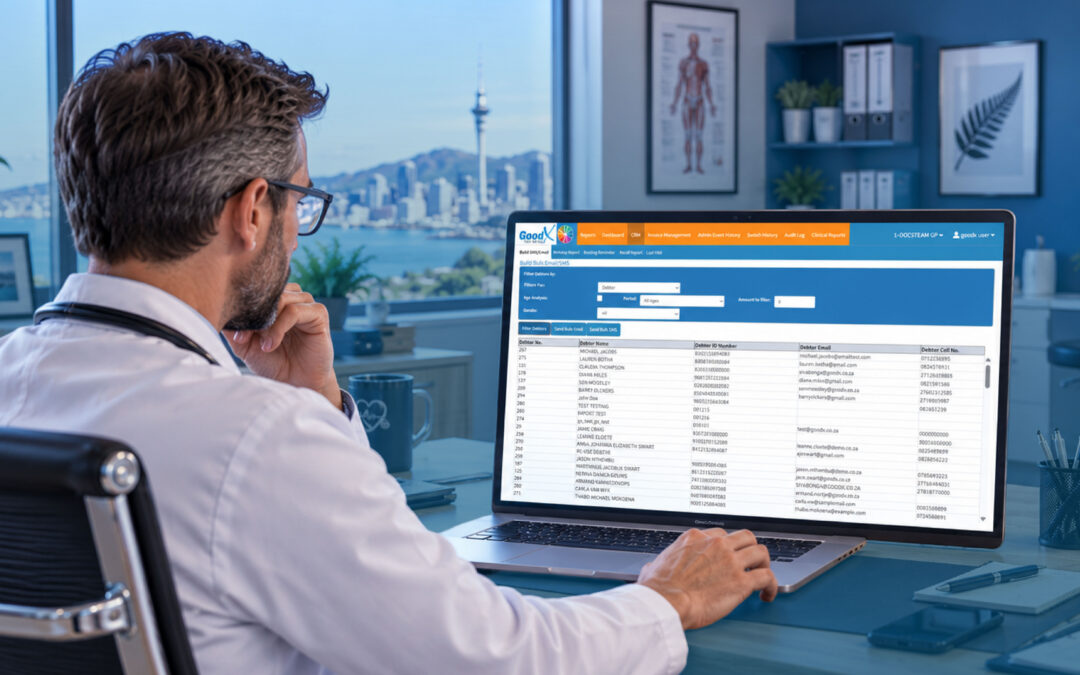
Recall management is critical for optometry practices. Patients need reminders for annual sight tests, glaucoma monitoring visits, or contact lens reorders. Automated recall systems reduce the administrative burden on your team and improve patient retention by ensuring people book their appointments on schedule.
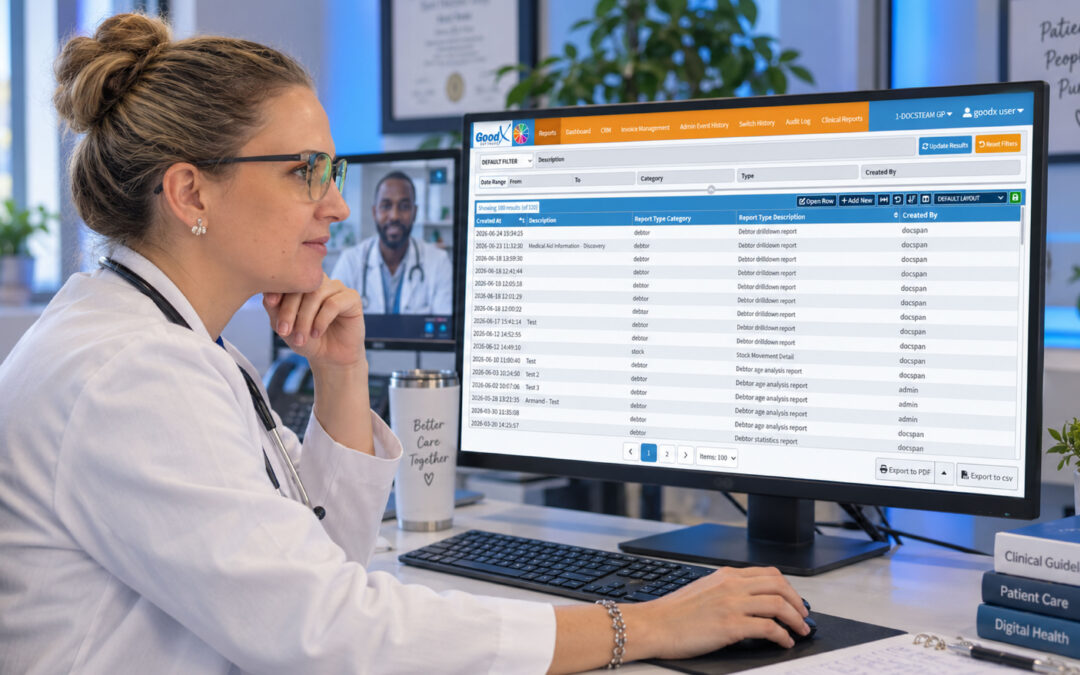
Invoice generation and reporting round out the administrative core. Your software must handle multiple funding sources in a single invoice, track payments, and generate reports on practice performance, appointment utilisation, and revenue by funding type.
Optometry EHR: Managing Clinical Records in Eye Care
Structured Clinical Documentation
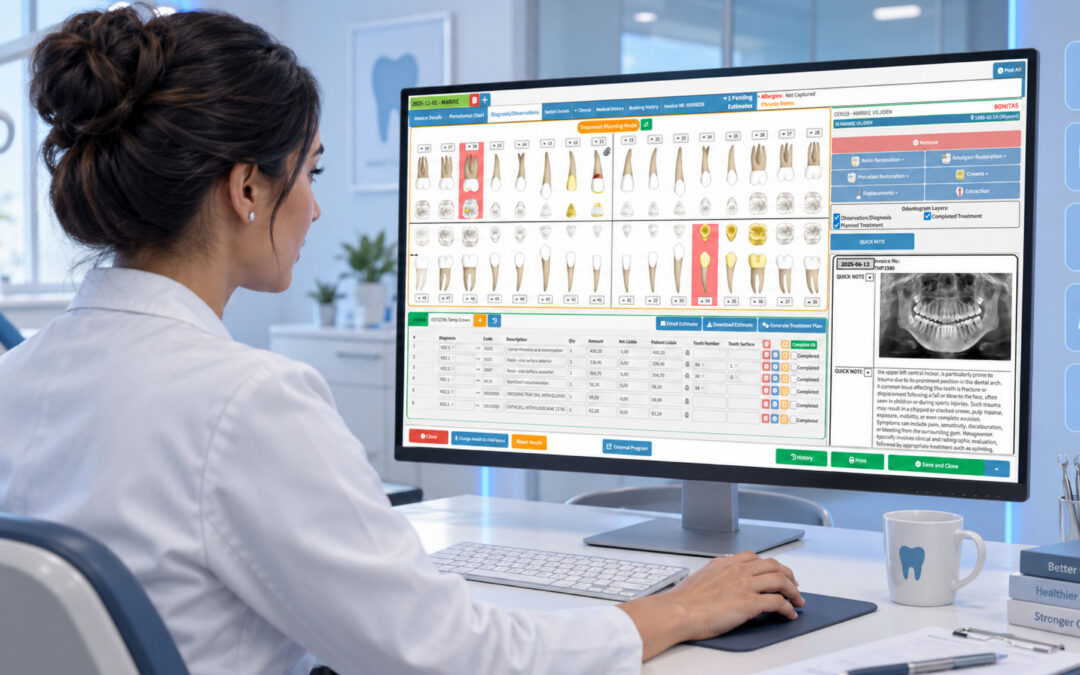
An optometry EHR (electronic health record) captures the clinical story of each patient visit. This includes the presenting complaint, relevant history, anterior segment findings from slit-lamp examination, posterior segment findings, refraction results, tonometry readings, visual field data if performed, intraocular pressure trends, diagnosis, and management plan. Good optometry EHR systems use structured templates that guide clinicians through each section.
Structured templates serve two purposes. They reduce documentation time by providing dropdown lists and pre-populated fields rather than free text entry. They ensure completeness by prompting clinicians for all relevant data points. A complete clinical record is easier to audit, supports clinical decision-making, and creates a defensible record if questions arise about patient care.
Diagnostic Equipment Integration
Modern optometry practices use multiple diagnostic devices: auto-refractors, tonometers, OCT machines, digital retinal cameras, visual field analysers. Each device generates data that needs to be recorded in the patient record. Manual transcription creates errors and wastes clinical time.
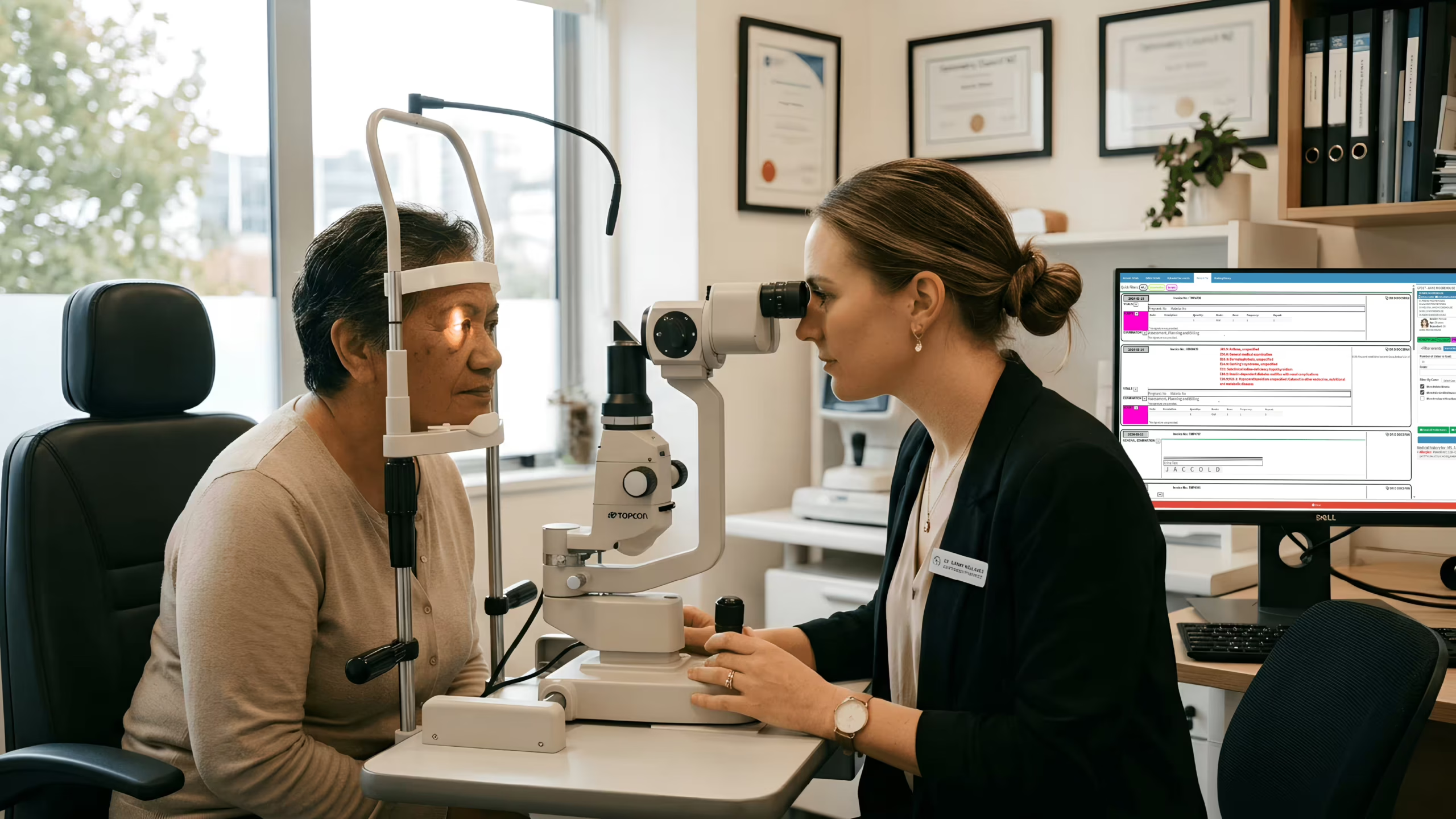
Good optometry EHR integrates directly with these devices. Data exports from your auto-refractor sync into the refraction fields in the patient record. Tonometry readings populate IOP history charts. OCT and retinal images store alongside structured interpretive findings. This integration eliminates manual data entry and creates a complete clinical picture from one examination.
Privacy Act 2020 Compliance in Eye Care Records
Patient data privacy in New Zealand is governed by the Privacy Act 2020. This law requires that patient records are stored securely, accessed only by authorized staff, and shared only with consent. Breaches can result in significant fines and damage to practice reputation.
Eye care software must include access controls so that only appropriate staff see specific records, data encryption for data at rest and in transit, and audit trails that log every access to patient records. The New Zealand Privacy Commissioner provides guidance on these requirements. Good optometry software is built with these controls from the ground up, not added as an afterthought.
Best EHR for Optometry: Key Features to Look For
Optometry Practice Management Software: The Full Picture
The best optometry EHR is not just clinical documentation. It is a full practice management platform that covers the entire workflow from patient booking through final invoice. This means appointment scheduling, clinical examination documentation, prescription management, optical dispensing, patient recalls, billing and invoicing, and practice reporting all in one system.
Scalability and Multi-Site Support
New Zealand has a growing number of multi-site optometry groups, from small two-location practices through to large regional networks. Scalable optometry software supports this growth. Cloud-based platforms allow you to centralise patient records and financial reporting across all locations while giving each site the autonomy it needs to operate independently.
Contact Lens Management and Recurring Orders
For practices with a significant contact lens business, specialized contact lens management features are essential. The system must store detailed fitting records including lens parameters, fitting notes, trial lens inventory, and patient comfort data. Automated orders reduce administrative work and improve patient compliance by making it easy for patients to stay supplied with lenses.
Frequently Asked Questions
What is the best eye care software for New Zealand optometry practices?
The best eye care software for New Zealand optometry practices combines clinical EHR with optometry-specific documentation templates, diagnostic equipment integration, optical dispensing management, and Privacy Act 2020 compliance features. It should handle government-funded scheme billing like the Spectacles Subsidy Scheme alongside private billing, and provide strong recall management for patient retention.
What is optometry software and what does it do?
Optometry software is a practice management and clinical records platform designed for eye care providers. It covers patient scheduling, sight test documentation, prescription management, optical dispensing, contact lens records, recall automation, billing, and reporting.
What is an optometry EHR?
An optometry EHR is an electronic health record system configured for optometry workflows. It stores structured records of sight tests, refraction results, IOP measurements, visual field data, diagnostic imaging, diagnoses, and management plans.
What optometry computer software features matter most for NZ practices?
New Zealand optometry practices benefit most from software that handles the full workflow from booking to billing, supports government subsidy scheme billing alongside private invoicing, integrates with diagnostic equipment, automates patient recall, and manages optical dispensing inventory.
How does eye care practice management software support patient retention?
Eye care practice management software supports patient retention through automated recall systems that send appointment reminders at appropriate intervals for each patient, such as annual sight tests or glaucoma monitoring visits.
Transform Your Eye Care Practice with GoodX
GoodX is a comprehensive practice management platform built for eye care and specialist practices across New Zealand. From patient booking through clinical documentation to invoicing and recalls, GoodX supports the complete optometry workflow. The system integrates with diagnostic equipment, handles government subsidy scheme billing, and complies with Privacy Act 2020 requirements. Whether you manage one location or multiple sites, GoodX scales with your practice.
Ready to see how GoodX can work for your optometry or ophthalmology practice?