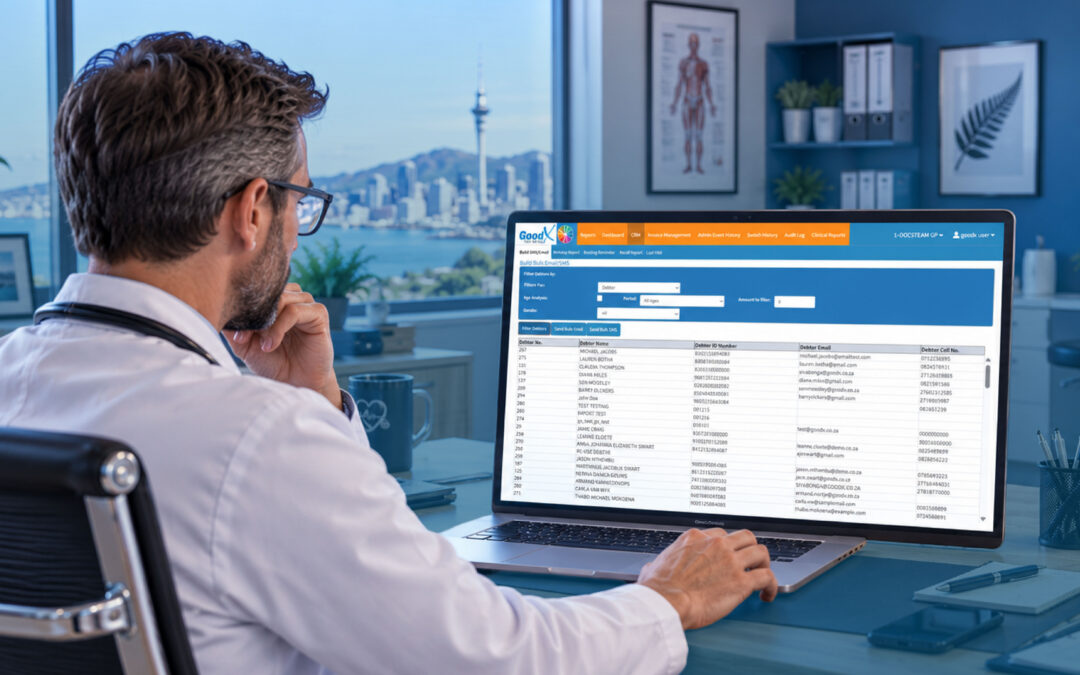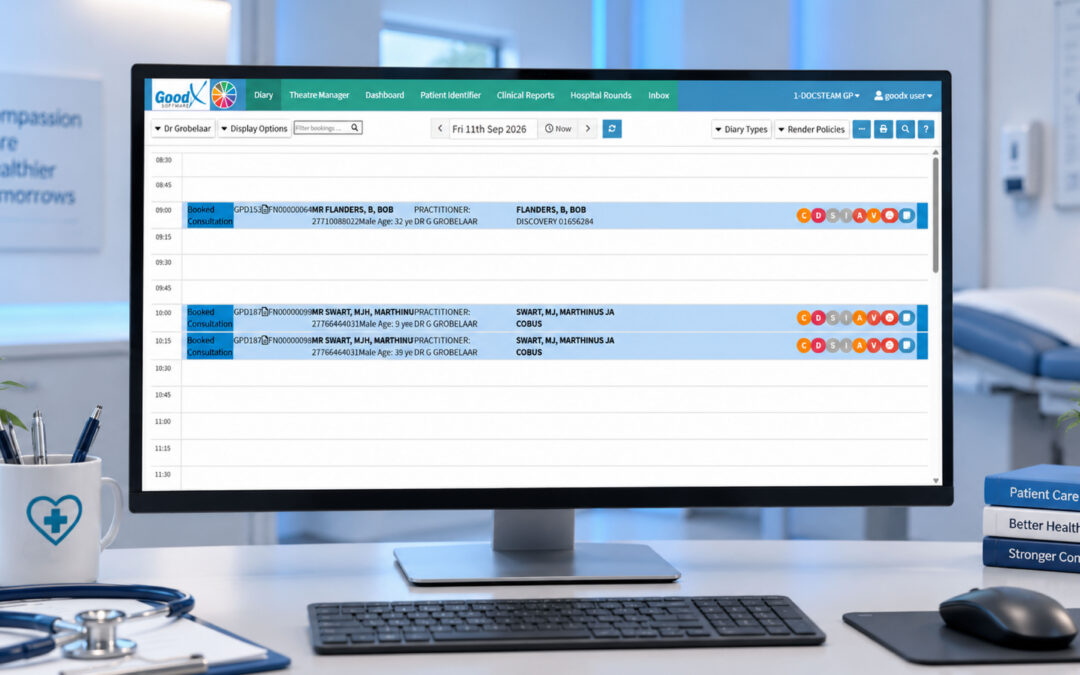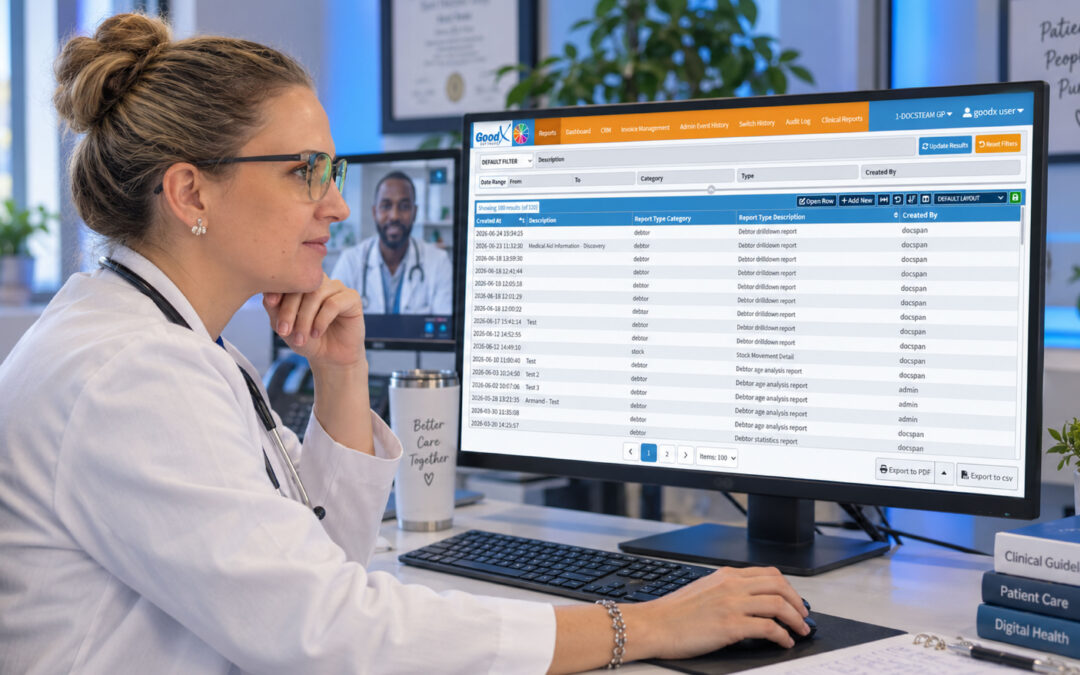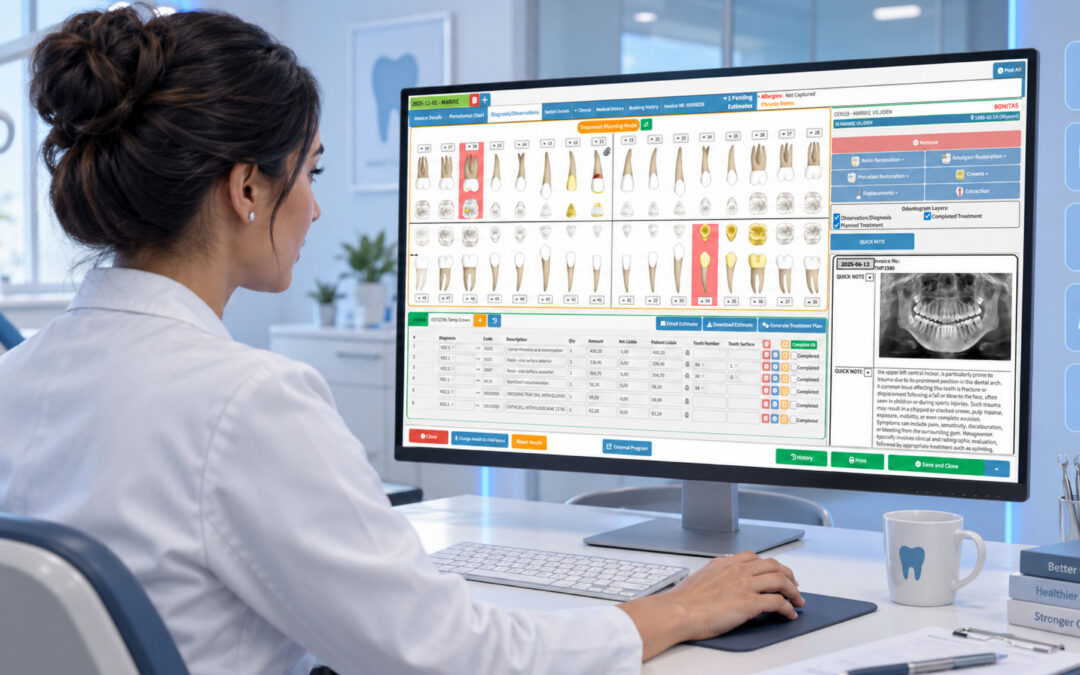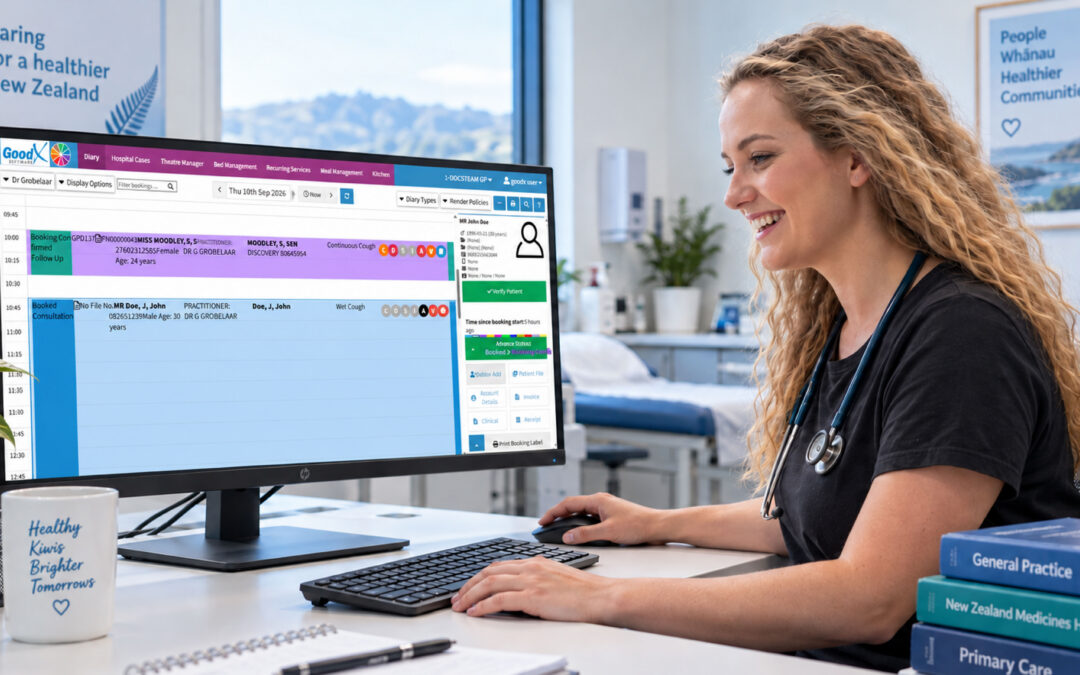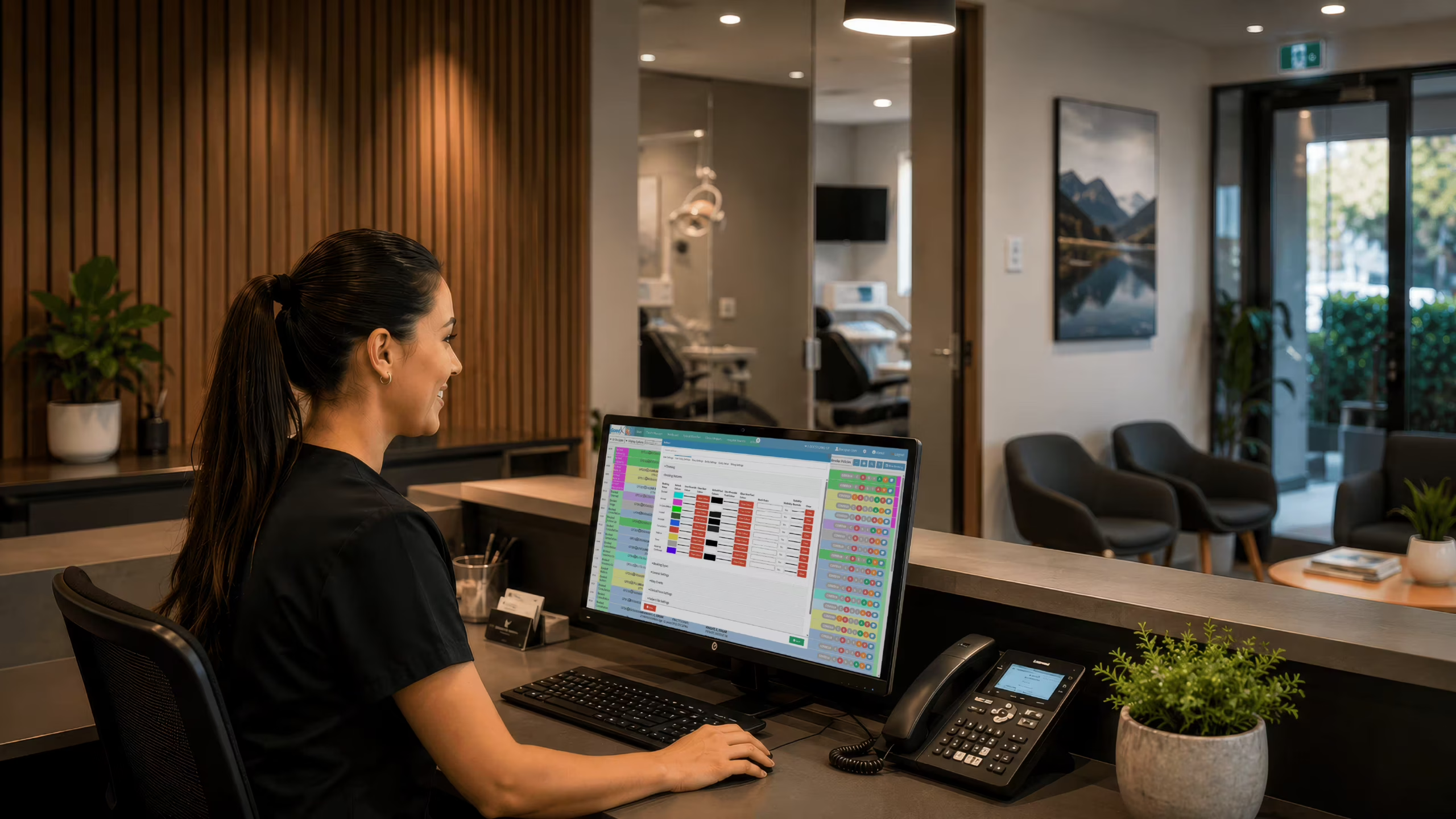
Managing a dental practice in New Zealand involves a lot more than chairside work. Between appointment scheduling, patient records, treatment planning, ACC claim management, and end-of-day reconciliations, the administrative load on a dental practice team is significant. A dedicated dental practice management system brings all of that under one digital roof, reducing manual workload and giving practitioners more time to focus on patient care.
This guide covers what a dental practice management system actually does, what the complete system looks like in practice, and what New Zealand dental and medical practices should look for when evaluating their options in 2026.
What Is Dental Practice Management Software?
What is dental practice management software? At its core, it is an integrated digital platform designed to manage the operational functions of a dental or medical practice. It replaces disconnected tools with a single system that handles patient registration, appointment booking, clinical notes, treatment histories, billing, and financial reporting.
In the New Zealand context, dental practice management software also needs to handle ACC (Accident Compensation Corporation) claim workflows, which are a significant component of dental billing for eligible treatments. Practices that manage ACC claims manually spend considerable time on paperwork that integrated software can automate entirely.
The New Zealand Dental Association provides guidance to member practices on business management and technology adoption. The consistent message from practice consultants in the sector is that practices using integrated management software outperform those relying on manual or fragmented systems on almost every operational metric: faster billing cycles, fewer scheduling errors, and better patient recall rates.
Beyond billing and appointments, the best dental practice management systems also support clinical documentation. Charting, treatment notes, radiograph management, and treatment plan creation all happen within the same platform, which means practitioners and clinical staff are not switching between systems during a patient appointment.
The Complete Practice Management System: What Should It Actually Include?
When evaluating what a complete practice management system looks like, it helps to think in terms of the full patient journey, from first contact through to ongoing recall.
Patient registration and record management is the starting point. Every patient should have a centralised digital record that captures their contact details, health history, allergies, current medications, treatment history, and financial account. When a patient calls to book, your receptionist should have this information immediately available.
Appointment scheduling in a dental practice is more complex than in a standard GP setting because appointments are often longer, require specific equipment allocation, and need to account for practitioner availability across multiple chair bays. The complete practice management system handles this with a visual, flexible scheduling tool that minimises gaps and optimises the diary.
Clinical documentation within the platform saves practitioners from switching between a clinical charting tool and a separate billing system. Treatment notes, perio charts, and radiograph records should all sit within the same patient record that drives the billing workflow.
Billing and financial management is where a good system pays for itself. Automated invoice generation, ACC claim submission, private billing, and payment reconciliation handled within a single system eliminates the double-handling that creates errors and delays. According to Health IT Analytics, practices that use fully integrated billing see average payment cycle reductions of several days compared to those managing billing separately.
Recall and patient communication tools close the loop on patient retention. Automated recall reminders, appointment confirmations, and follow-up messages sent directly from the practice management system improve re-booking rates without adding manual work for the front desk team.
Dental Practice Management Software: Key Features for NZ Clinics
Not all dental practice management software is built the same way. For New Zealand practices, there are several features that separate a genuinely useful platform from one that creates more work than it saves.
ACC integration is non-negotiable for most NZ dental practices. The Accident Compensation Corporation covers a range of dental injuries, and managing those claims manually through paper forms or separate systems is time-consuming and error-prone. Software that handles ACC claim generation and submission within the billing workflow makes this process much faster and more accurate.
Multi-practitioner support matters as soon as a practice has more than one dentist or hygienist. The scheduling and billing tools need to accommodate multiple practitioners with different working hours, different appointment types, and different fee schedules without the system becoming difficult to navigate.
Data security and privacy compliance is critical in any healthcare setting. New Zealand’s Privacy Act 2020 places clear obligations on health practitioners regarding patient data collection, storage, and access. Practice management software must encrypt patient data, enforce access controls, and maintain audit logs to support compliance.
Cloud-based delivery has become the standard for modern practice management platforms. Cloud-based software reduces the infrastructure burden on practices, enables access from multiple devices and locations, and ensures that data is backed up automatically. For smaller dental practices without dedicated IT staff, this is a significant practical advantage.
Choosing the Right System for Your New Zealand Dental Practice
When comparing dental practice management systems, request a structured demo that walks through the specific workflows your practice relies on most. Pay particular attention to how the system handles appointment scheduling under real clinic conditions, how billing and ACC claims are generated and tracked, and what reporting tools are available for monitoring practice performance.
Ask about local support and implementation assistance. Software is only as valuable as your team’s ability to use it confidently. A vendor that offers proper onboarding, training resources, and responsive local or regional support significantly reduces the time it takes to realise the benefits of the switch.
Frequently Asked Questions
What is a dental practice management system?
A dental practice management system is an integrated software platform that manages the administrative and clinical functions of a dental or medical practice. It typically includes appointment scheduling, patient record management, clinical documentation, billing, ACC claim submission for New Zealand practices, financial reporting, and patient recall tools. The goal is to bring all practice operations into one connected system.
What is dental practice management software used for?
Dental practice management software is used to digitise and automate the daily operational tasks of a dental clinic. This includes booking and managing appointments, maintaining patient records and clinical notes, generating and submitting invoices and ACC claims, processing payments, and running recall campaigns. It reduces manual admin work, improves billing accuracy, and gives practice owners better visibility into their business performance.
Does a dental practice management system handle ACC claims?
Yes, the best dental practice management systems for New Zealand practices include ACC claim integration. This allows practices to generate ACC claims automatically from the billing workflow, submit them electronically, and track their status through to payment. This is far faster and more accurate than managing ACC claims through manual forms or a separate system.
Is cloud-based dental practice management software better than installed software?
For most New Zealand dental practices, cloud-based software offers clear advantages: automatic updates, no local server maintenance, access from multiple devices, built-in data backups, and lower upfront cost. Installed software can offer more control in some circumstances, but the operational overhead of managing local servers and manual updates makes cloud delivery the preferred choice for the majority of modern practices.
How do I choose the right dental practice management system for my clinic?
Start by listing the specific workflows where your current system or manual process creates the most friction. Then evaluate software options against those pain points specifically. Key factors for New Zealand practices include ACC claim integration, multi-practitioner scheduling, cloud delivery, data security and Privacy Act compliance, local support availability, and training resources. A structured demo using your real use cases is the best way to assess how well any platform will actually work for your clinic.
See How GoodX Can Work for Your New Zealand Practice
GoodX is a comprehensive practice management platform built for modern medical and dental clinics. It combines appointment scheduling, clinical documentation, billing, and financial reporting in one integrated system.