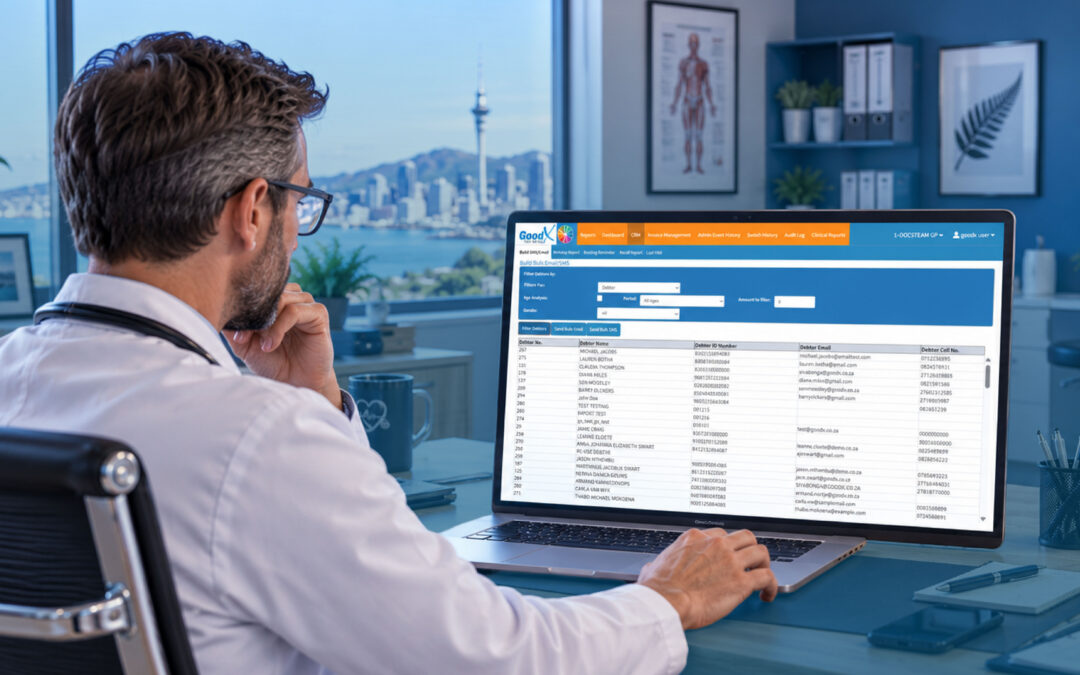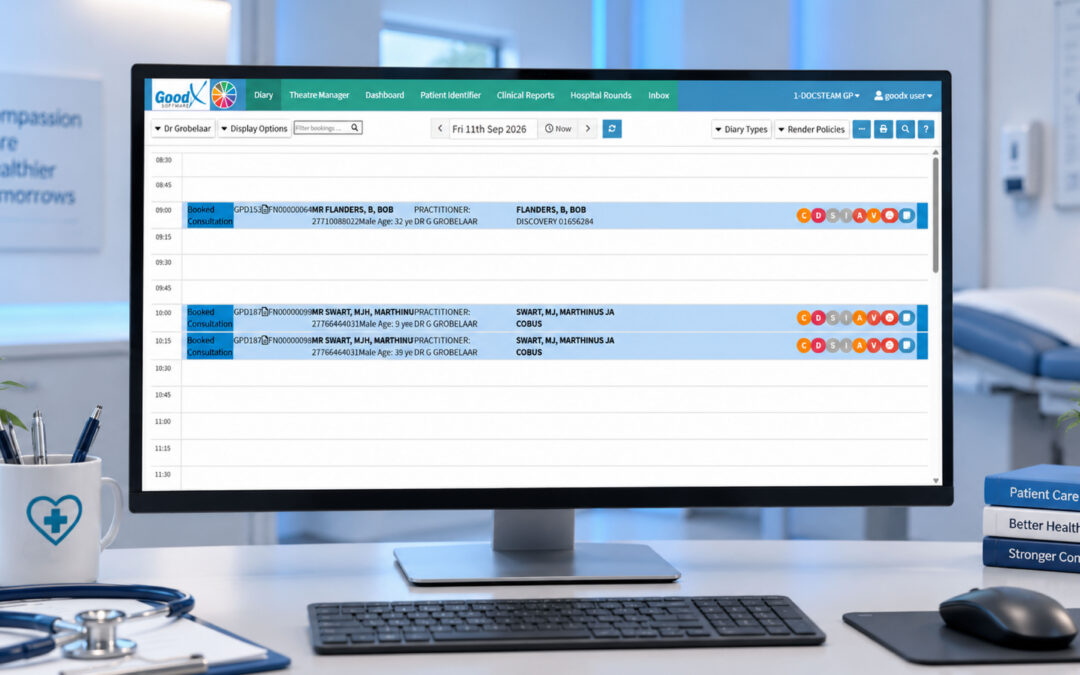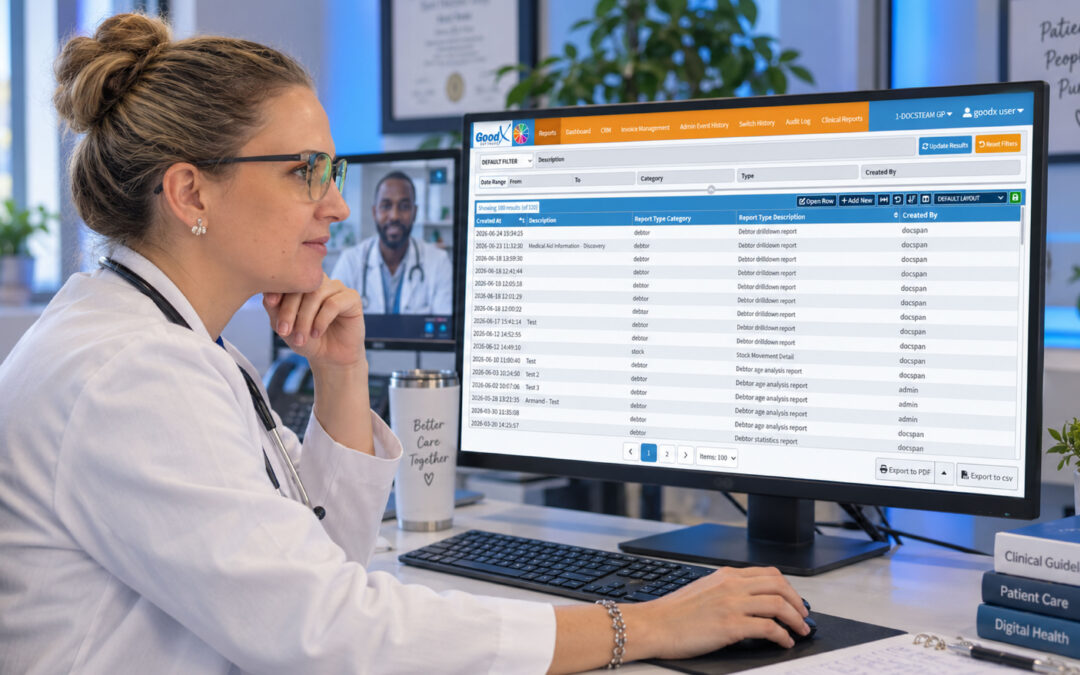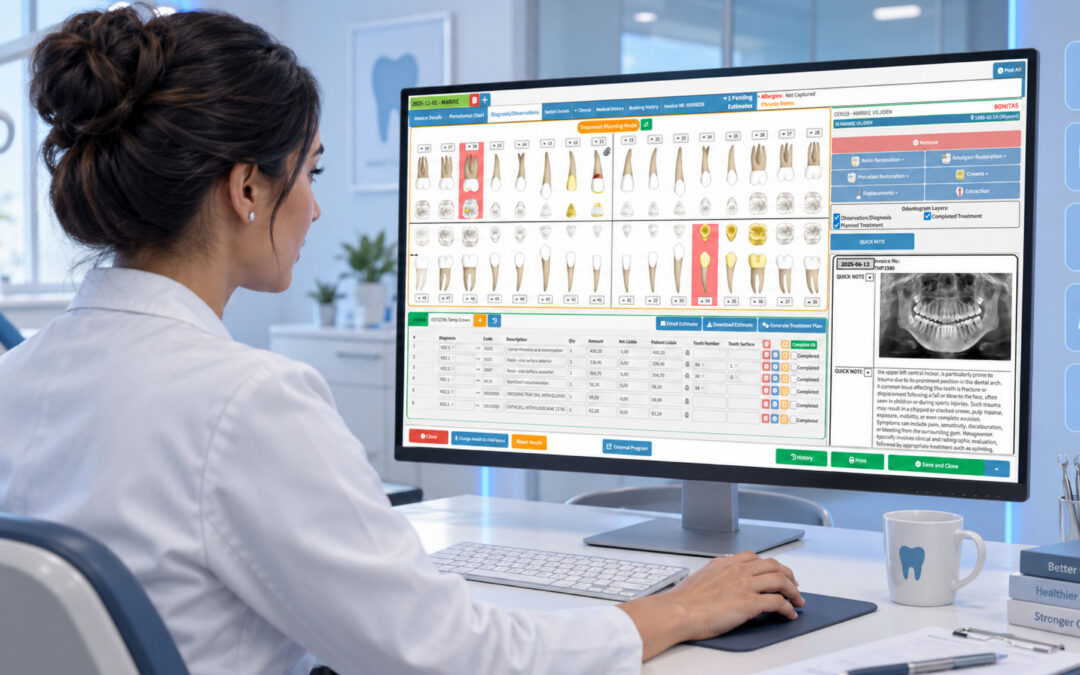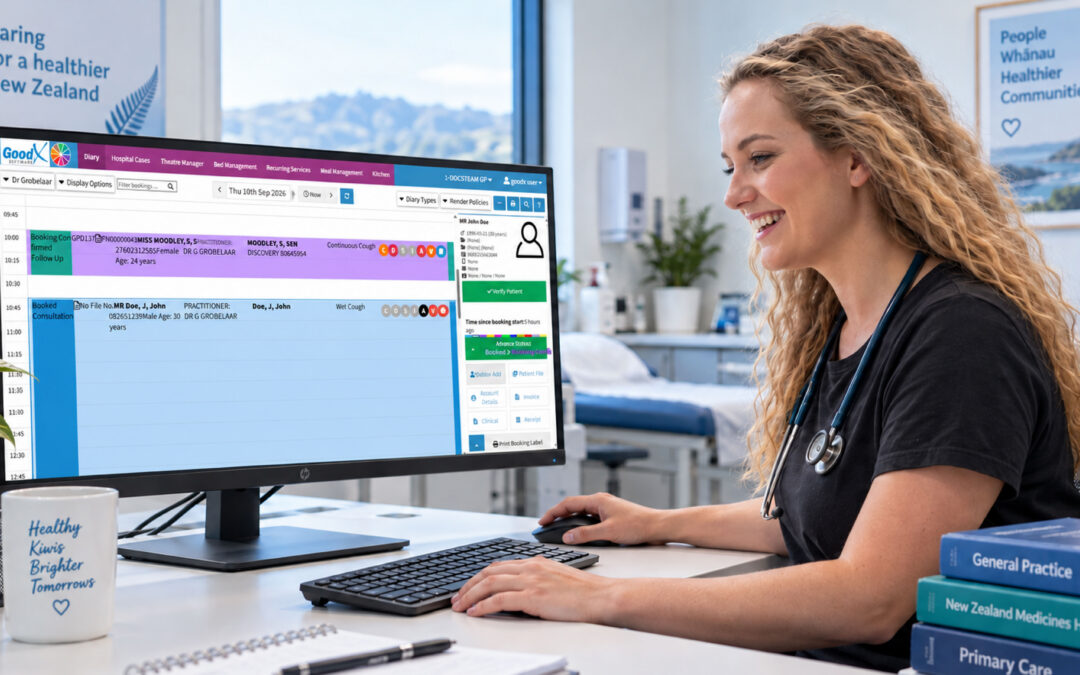
EMR and EHR software have become the standard of care documentation in New Zealand medical practice. Whether you are a solo GP running a small clinic or a specialist working in a multi-provider practice, the quality of your clinical record system directly affects your diagnostic capability, your billing efficiency, and your compliance with New Zealand health information standards. Understanding the differences between EMR and EHR systems, and knowing what to look for in each, is the starting point for making a good technology decision.
The terms EMR and EHR are often used interchangeably, but they describe systems with different scopes. This distinction matters when you are evaluating vendors, because understanding what level of integration and data sharing you need helps narrow down your options significantly.
Electronic Medical Record Systems: Understanding the Fundamentals
Electronic medical record systems capture the clinical information generated within a single practice. This includes patient demographics, consultation notes, diagnoses, prescriptions, test results, and care plans. The fundamental purpose is to give the treating clinician a complete, organised view of a patient’s clinical history at the point of care.
A good electronic medical record system makes clinical documentation efficient rather than burdensome. Templates for common consultation types allow providers to capture key information quickly. Structured data fields for diagnoses, medications, and allergies make it easy to surface relevant clinical information without scrolling through unstructured text notes. Decision support tools flag potential drug interactions, overdue screenings, and relevant clinical protocols.
The Royal New Zealand College of General Practitioners recognises the central role of clinical record systems in delivering quality primary care. Their standards for general practice include requirements around clinical documentation that quality EMR systems are designed to support.
For billing purposes, electronic medical record systems that integrate with practice management and billing tools are significantly more efficient than standalone clinical systems. When diagnostic and procedure information flows directly from the clinical record into the billing workflow, the risk of missed charges and coding errors is substantially reduced.
EMR for Small Practice: What Solo and Small Practice Clinicians Need
EMR for small practice environments has different requirements than enterprise systems. Solo practitioners and small clinics need platforms that are straightforward to implement, cost-effective to maintain, and genuinely usable without a dedicated IT department. The sophisticated configuration options and department-level permission structures of large practice systems add complexity without adding value for a two-provider clinic.
Cloud-based EMR platforms have been particularly valuable for small practices. They eliminate the need for on-premise server infrastructure, provide automatic software updates, and allow access from multiple devices and locations. For solo GPs who may work across multiple clinic sites or consult from home, cloud access to patient records is a significant practical benefit.
Cost structure matters for smaller practices. Subscription-based pricing that charges per provider rather than per location or per number of records is generally the most economical model for a solo or small practice. It gives you a predictable monthly cost that scales only when you actually grow, rather than requiring you to pay for capacity you are not using.
The Health Information Standards Organisation (HISO) sets interoperability standards that EMR systems in New Zealand are expected to support. These standards enable clinical information to be shared appropriately across care settings, which is particularly important for patients who receive care from multiple providers.
GoodX supports small and solo practices with an integrated platform that covers clinical records, billing, and practice management without requiring enterprise-level infrastructure or investment. The platform is designed to be adopted quickly and to deliver value from day one rather than after months of configuration.
Best EMR for Solo Practice: Key Selection Criteria
Identifying the best EMR for solo practice requires matching platform capabilities to the specific needs of a single-provider environment. Start with the clinical workflows that matter most to your practice. If you do a high volume of chronic disease management, the system’s chronic care template capability and recall functionality should be heavily weighted. If you do a lot of procedures, procedure documentation workflow and surgical record management are more important.
ACC billing integration is a non-negotiable consideration for New Zealand solo practices. The ability to generate, submit, and track ACC claims directly from the clinical record or billing module without switching between systems is a significant time-saver. Check whether the platform you are evaluating maintains current ACC tariff schedules and handles ACC claim statuses automatically.
Prescribing capability is another area where solo practices should pay close attention. The best EMR systems for solo NZ practitioners support electronic prescribing with drug interaction checking, formulary integration, and the ability to send prescriptions directly to pharmacies via the New Zealand ePrescription Service (NZePS). These features reduce prescription errors and save time for both the clinician and the patient.
After-hours access and mobile capability are relevant for solo practitioners who may need to review patient records outside standard consulting hours. Cloud-based platforms with mobile-responsive interfaces or dedicated mobile apps give solo GPs flexibility that server-based systems cannot match.
Making the Transition to a New EMR or EHR System
Switching EMR systems is a significant undertaking for any practice, but particularly for solo practitioners who cannot distribute the workload of a transition across a large team. Plan the transition during a lower-volume period in your practice calendar. Migrate your most critical data first: active patient records, current medications, recent consultations, and outstanding referrals.
Invest time in training before the go-live date. Most vendors offer training sessions, tutorial libraries, and onboarding support. Use these resources thoroughly before you switch over, and consider running both systems in parallel for a week or two to catch any data or workflow gaps before you fully decommission the old system.
Frequently Asked Questions
What is the difference between EMR and EHR software?
EMR software captures clinical records within a single practice, covering that practice’s own documentation. EHR software is designed to share patient information across multiple providers and care settings. Most modern clinical systems include both EMR and EHR capabilities, and the terms are often used interchangeably in New Zealand and internationally.
What makes a good EMR system for a small NZ practice?
A good EMR system for a small NZ practice is cloud-based for easy access and updates, cost-effective with per-provider pricing, integrated with ACC billing, and straightforward enough for non-specialist staff to use. It should support efficient clinical documentation with templates, decision support, and electronic prescribing tailored to New Zealand clinical requirements.
Is GoodX suitable as an EMR for solo practice in New Zealand?
Yes, GoodX is suitable for solo and small practices in New Zealand. The platform integrates clinical records with billing and practice management in one system, which reduces the administrative overhead of managing multiple tools. It is designed for ease of use and offers the ACC billing support and financial reporting tools that NZ solo practitioners need.
How do I choose between EMR and EHR software for my NZ clinic?
The choice between EMR and EHR software depends on how much cross-provider data sharing your practice requires. If you primarily manage your own patient population and share referral information through standard channels, a high-quality EMR platform is sufficient. If you manage complex patients across multiple care settings with frequent data sharing needs, a full EHR with robust interoperability is more appropriate.
What should I do before switching EMR systems in my practice?
Before switching EMR systems, confirm that your current patient data can be exported in a format compatible with the new system. Plan the transition during a lower-volume period, invest in training before go-live, and run both systems in parallel briefly during the transition. Document your current workflows so you can verify that the new system replicates them adequately.
Find the Right EMR and EHR Solution with GoodX
EMR and EHR software that integrates seamlessly with your billing and practice management tools gives New Zealand practitioners a genuine productivity advantage. GoodX provides solo and small practice clinicians with a complete, integrated platform built for healthcare.