Shared Electronic Health Record: What New Zealand Practices Need to Know
Healthcare is becoming increasingly connected, but patient information can still sit across different practices, hospitals, pharmacies, laboratories and other healthcare providers. A shared electronic health record can help bring relevant information together, giving authorised healthcare professionals a more complete picture of a patient’s health when it matters.
For New Zealand healthcare providers, this shift towards connected health information is particularly important as the country’s Shared Digital Health Record (SDHR) initiative develops. The aim is to make important health information available across healthcare settings while maintaining appropriate privacy, security and access controls.
What Is a Shared Electronic Health Record?
A shared electronic health record is a digital health record that allows relevant patient information to be accessed across different healthcare providers and organisations, rather than keeping information isolated within one practice or system.
Traditional electronic records are extremely useful within an individual practice. They can contain a patient’s medical history, diagnoses, medications, allergies, test results, clinical notes and treatment information.
The challenge comes when a patient receives care somewhere else.
A hospital may have information that a GP does not immediately have. A pharmacy may have dispensing information. Another healthcare provider may hold recent test results or clinical notes.
A shared electronic health record helps connect this information so that authorised healthcare professionals can access relevant information when providing care.
This is where interoperability becomes important. Different healthcare systems need to be able to communicate securely and exchange information in a way that is accurate and understandable.
Why Are Shared Health Records Important?
Imagine a patient arriving at an after-hours clinic.
They may not remember every medication they take. They may forget the name of an allergy. They might not remember when their last test was performed.
If the healthcare professional can securely access relevant information from the patient’s existing health records, they have more information to support their clinical decision-making.
Sharing health information can help:
- Reduce the need for patients to repeatedly explain their medical history
- Reduce unnecessary or duplicated tests
- Give healthcare professionals better access to medication and allergy information
- Improve coordination between healthcare providers
- Support safer clinical decisions
- Reduce the time spent manually requesting information
- Improve continuity of care when patients move between healthcare settings
The underlying principle is simple: the right information should be available to the right healthcare professional at the right time.
Shared Electronic Health Records and New Zealand Healthcare
New Zealand is developing its own approach to nationally connected health information through the Shared Digital Health Record initiative.
Health New Zealand describes the SDHR as a clinical data connector designed to expand access to important health information nationally. The information is intended to be accessed through existing Shared Electronic Health Records and other clinical systems rather than requiring healthcare professionals to replace everything they already use.
The information available through the initiative is expected to include areas such as:
- Allergies and intolerances
- Medical conditions
- Vital signs
- Immunisation information
- Prescribed and dispensed medicines
- Laboratory results
- Radiology information
- Some hospital referrals and clinical correspondence
The rollout is being developed in stages, with primary care data sharing expected to expand as the programme progresses.
For New Zealand practices, this means that interoperability is becoming an increasingly important consideration when thinking about digital healthcare systems.
What Information Can an Electronic Health Record Contain?
Electronic health records can contain a broad range of information collected throughout a patient’s healthcare journey.
Depending on the system and the information-sharing arrangements in place, this may include:
- Patient demographics
- Medical history
- Diagnoses
- Medications
- Allergies
- Immunisations
- Clinical notes
- Vital signs
- Laboratory and diagnostic results
- Treatment plans
- Referrals
- Hospital information
The benefit of bringing relevant information together is that clinicians can make decisions based on a more complete picture rather than relying solely on information available within one organisation.
However, more information does not automatically mean better care. Information needs to be accurate, relevant, accessible and appropriately protected.
Interoperability Is the Key
One of the biggest challenges in healthcare technology is getting different systems to communicate with each other.
A practice might use one system, a hospital another, a laboratory another and a pharmacy another. If these systems cannot exchange information effectively, healthcare professionals may still have to rely on phone calls, manual requests, scanned documents or patients carrying information between providers.
Interoperability helps remove some of these barriers.
A shared electronic health record depends on secure electronic information exchange between systems. It also relies on appropriate standards so that information transferred from one system can be understood correctly by another.
For practices, this means choosing technology that can work as part of a wider healthcare environment is increasingly important.
How Does Practice Software Fit In?
A shared health record does not replace the need for a practice management or electronic health record system.
Instead, practice software remains an important part of the workflow where patient information is recorded, managed and used during everyday care.
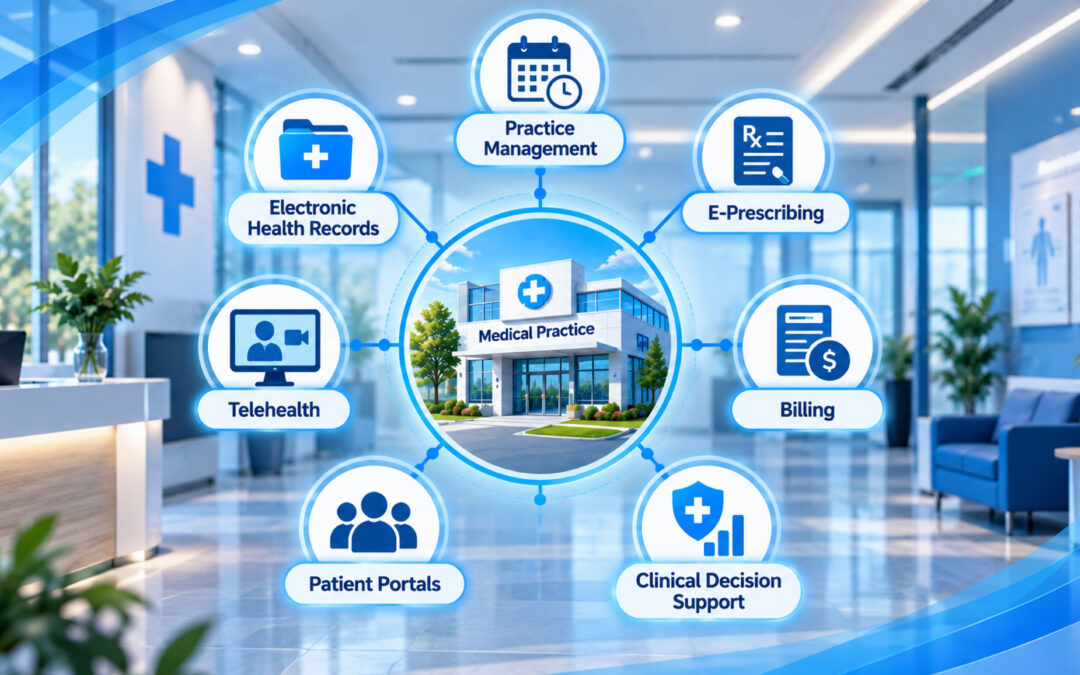
A modern practice system may support activities such as:
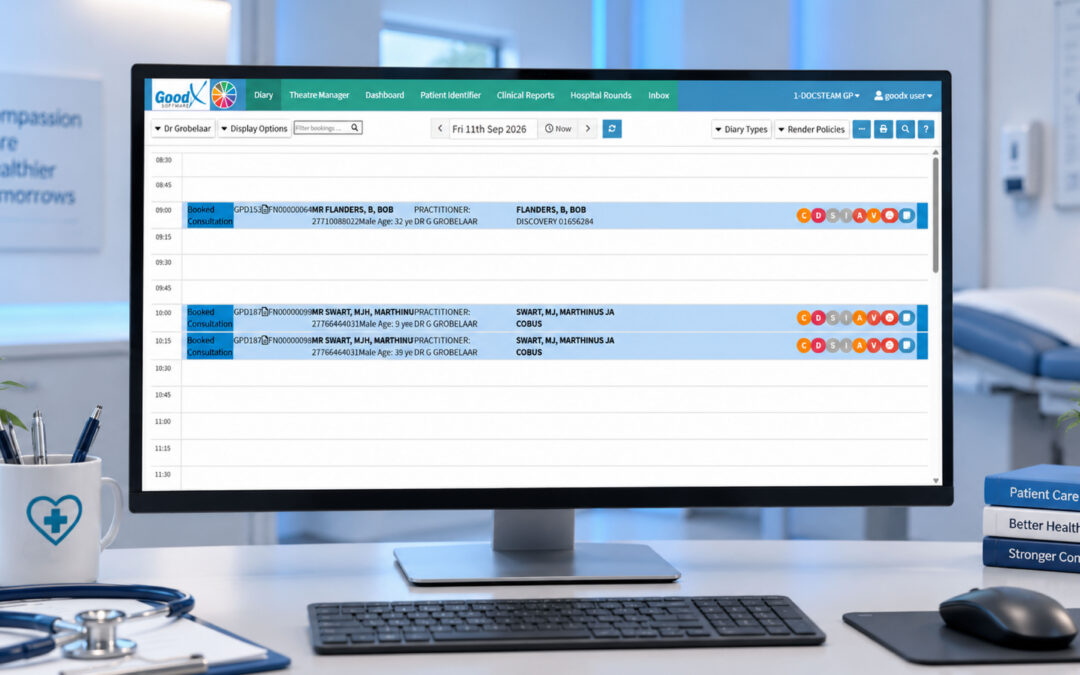
- Appointment management
- Patient records
- Clinical documentation
- Prescriptions
- Referrals
- Billing
- Reporting
- Patient communication
- Integration with other healthcare services
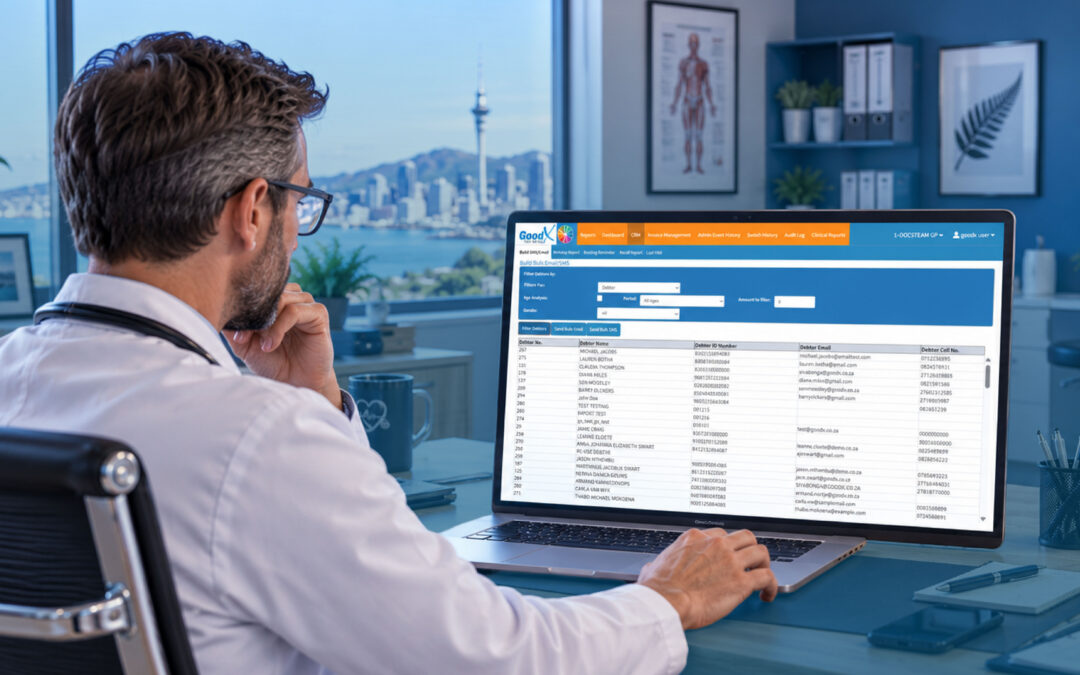
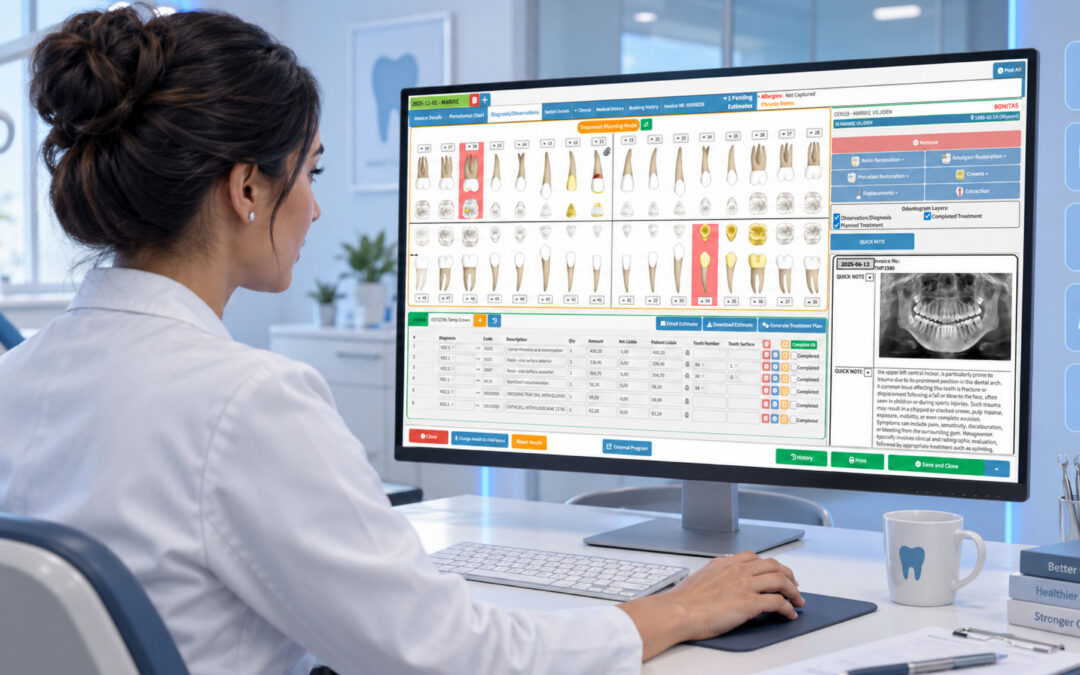
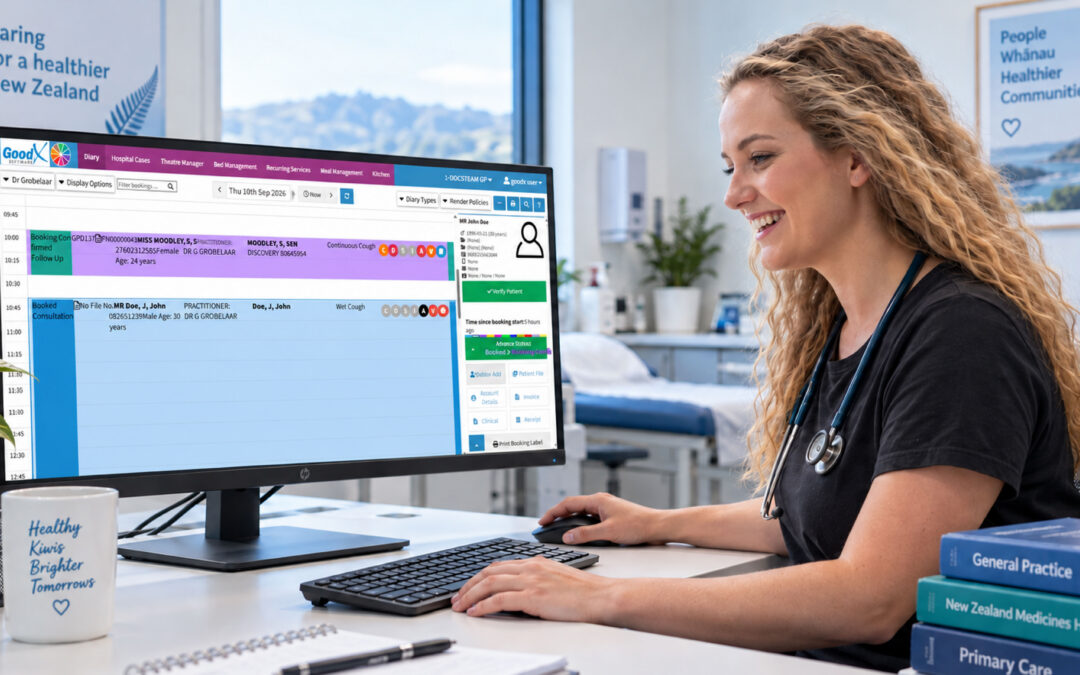
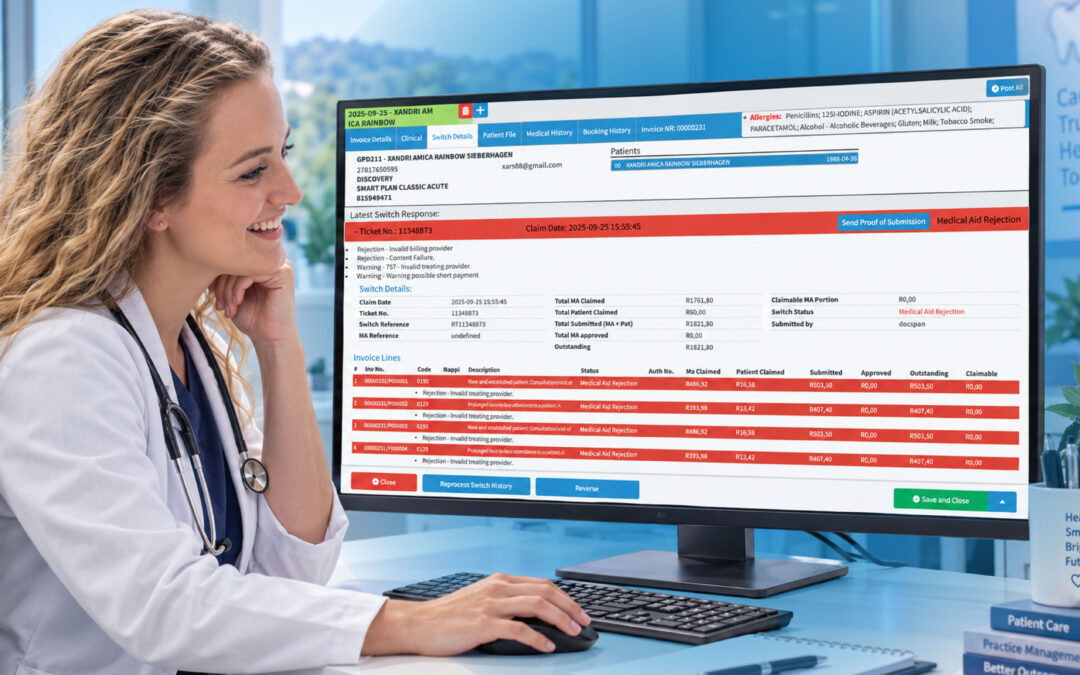
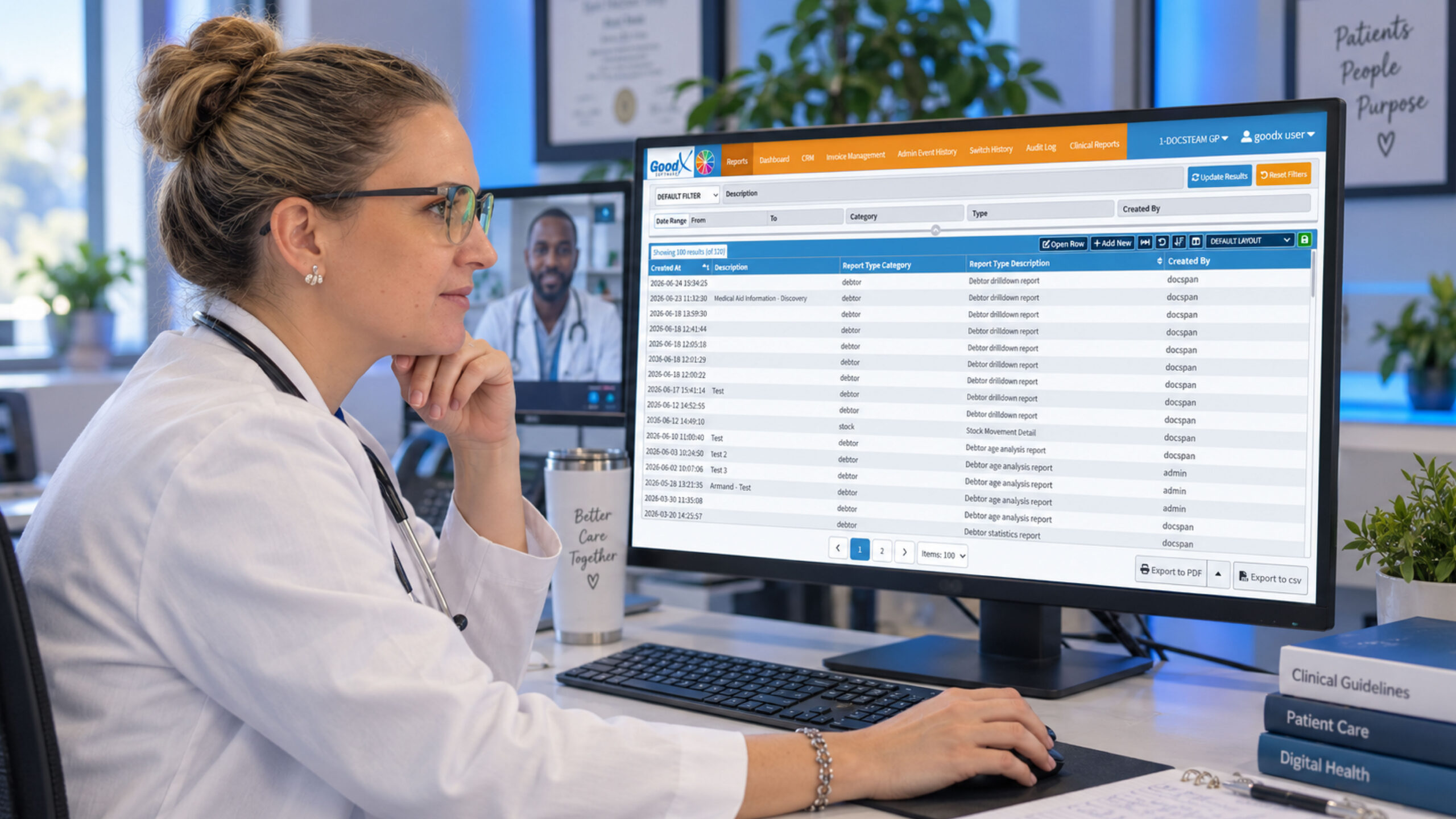
Systems such as GoodX are designed around the practical reality that healthcare practices need to manage both clinical and administrative workflows. As healthcare becomes more connected, the ability for practice systems to support modern digital processes and interoperability becomes increasingly valuable.
The goal is not simply to add another technology layer for healthcare professionals to manage. The technology should ideally make everyday work simpler, more connected and more efficient.
Benefits for Patients
Patients are one of the biggest beneficiaries of better health information sharing.
Without connected records, patients may have to repeat the same information to different healthcare professionals. They may also undergo tests that have already been completed because another provider cannot easily access the previous results.
A shared electronic health record can help create a more connected experience.
Potential benefits include:
Less repetition: Patients may not need to repeatedly explain their medical history.
Better continuity: Different healthcare providers can have access to relevant information when caring for the same person.
Improved safety: Important information such as allergies, medications and diagnoses can help clinicians make better-informed decisions.
Fewer duplicated tests: Access to previous results can reduce unnecessary repetition where clinically appropriate.
Greater confidence: Patients can feel more confident that healthcare professionals have access to relevant information when they need it.
Benefits for Healthcare Professionals
Healthcare professionals also benefit from having better access to patient information.
Instead of spending time searching for records or manually requesting information, clinicians may be able to access relevant information electronically.
This can help healthcare teams:
- Understand a patient’s history more quickly
- Make more informed clinical decisions
- Coordinate care between providers
- Reduce administrative workload
- Support safer transfers between healthcare settings
- Spend more time focusing on patient care
For busy practices, even small reductions in administrative work can make a meaningful difference.
Privacy and Security Still Matter
Sharing health information creates significant benefits, but it also creates responsibilities.
Health information is highly sensitive, so shared electronic health records need strong privacy and security controls.
New Zealand’s SDHR approach includes controls around who can access information and how information is shared. Health New Zealand states that the programme operates within New Zealand’s privacy and health information requirements, with measures including role-based access, audit logging and secure APIs.
Patients also have choices regarding how their information is shared within the SDHR framework, including options relating to sharing or restricting access to information.
For healthcare practices, transparency is essential.
Patients should understand:
- What information is being shared
- Why it is being shared
- Who can access it
- How it is protected
- What choices they have
Building trust is just as important as building the technology.
What Does the Future Look Like?
Healthcare is moving away from isolated systems and towards connected digital health ecosystems.
New Zealand’s Shared Digital Health Record is part of this broader direction.
As more information becomes available across healthcare settings, the potential benefits could extend beyond simply viewing a patient’s history. Better-connected information could support more coordinated care, reduce unnecessary duplication and help healthcare professionals make decisions using more complete information.
But successful digital health depends on more than technology.
It requires:
- Reliable systems
- Interoperability
- Strong privacy protections
- Appropriate access controls
- Accurate patient information
- Healthcare professionals who can use the technology effectively
- Patients who understand how their information is being handled
The Bottom Line
A shared electronic health record can help connect information that has traditionally been spread across different healthcare providers and systems.
For New Zealand, the development of the Shared Digital Health Record represents an important step towards more connected healthcare. The potential benefits are significant: better access to information, improved coordination, fewer unnecessary repeated tests and more informed clinical decisions.
For medical practices, the key consideration is not simply whether software is digital. It is whether that software can work effectively within an increasingly connected healthcare environment.
With platforms such as GoodX supporting the everyday clinical and administrative workflows of healthcare practices, connected digital healthcare can become less about managing multiple disconnected processes and more about giving healthcare professionals the information and tools they need to provide better care.
Contact our team to book your free GoodX demo.
Disclaimer: This article is provided for general informational and educational purposes only. While GoodX Software takes reasonable care to ensure that the information is accurate and current at the time of publication, laws, regulations, industry standards, healthcare policies and technology may change. The content should not be regarded as medical, legal, financial or other professional advice. Readers should verify information relevant to their circumstances and consult an appropriately qualified professional where necessary. GoodX Software accepts no responsibility for decisions made or actions taken solely on the basis of this content.