What Is Healthcare CRM? How It Works, Features & Benefits in New Zealand
What is healthcare CRM? It is software designed to help healthcare organisations manage patient relationships, communications, workflows and engagement from a more connected platform. Instead of relying on disconnected spreadsheets, emails, phone calls and manual follow-ups, healthcare CRM software can bring important patient-interaction information together so teams can coordinate their work more efficiently.
For New Zealand healthcare practices and organisations, a healthcare CRM can support patient engagement, appointment management, follow-ups, communication, reporting and administrative workflows.
But what exactly does a healthcare CRM do, and how is it different from an EHR or other healthcare software?
Let’s take a closer look.
What Is Healthcare CRM?
A healthcare CRM (Customer Relationship Management) system is a software platform adapted to the needs of healthcare organisations. Its purpose is to help providers manage relationships and interactions with patients and prospective patients throughout the patient journey.
Depending on the organisation and software, a healthcare CRM may help teams:
- Capture patient enquiries from different channels
- Organise patient and contact information
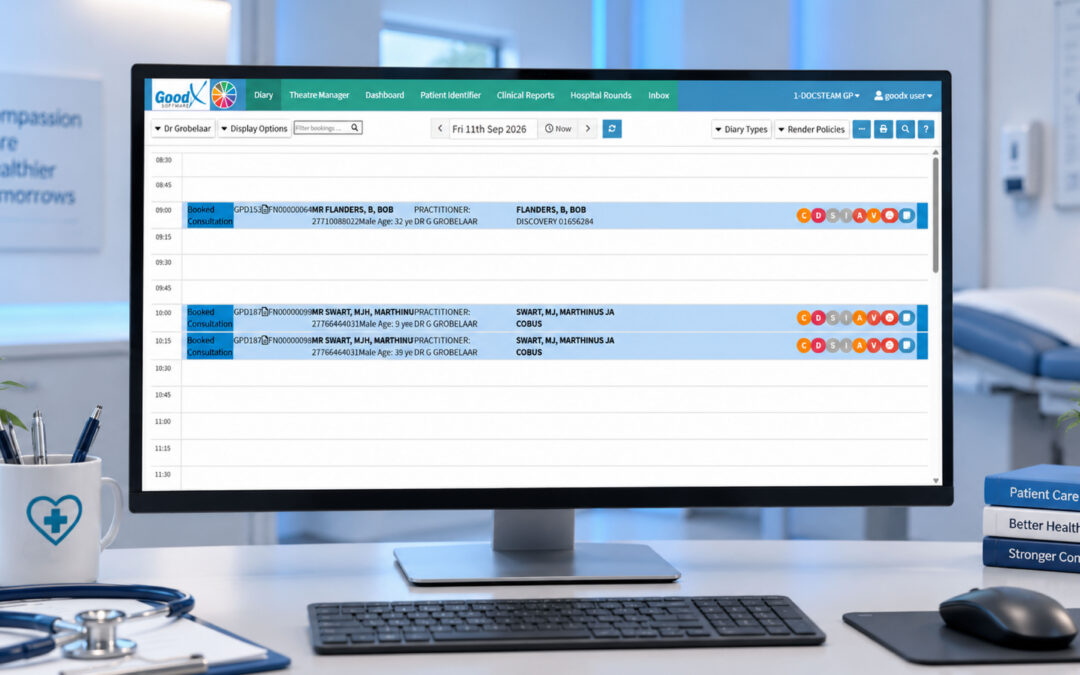
- Manage appointment requests and follow-ups
- Automate routine communications
- Track interactions across multiple touchpoints
- Coordinate patient-related workflows
- Segment patients for relevant communications
- Monitor engagement and operational metrics
- Integrate with clinical, practice management or other healthcare systems
- Provide reporting and analytics
The central idea is simple: put patient relationship and engagement activities into a more organised system so healthcare teams can spend less time chasing information and more time delivering a better patient experience.
A healthcare CRM isn’t necessarily a replacement for clinical systems. In many cases, it works alongside them.
How Does Healthcare CRM Work?
A healthcare CRM generally works by collecting information from patient interactions and making relevant information available to authorised members of the healthcare organisation.
Imagine a prospective patient visits a medical practice website and submits an enquiry.
Instead of that enquiry sitting in an inbox waiting for someone to respond, a CRM can potentially capture it, create or update a contact record, assign a task to the appropriate team member and trigger a follow-up workflow.
From there, the patient journey might look something like:
Enquiry → Follow-up → Appointment → Reminder → Visit → Ongoing communication → Follow-up care
The exact workflow depends on the organisation and CRM configuration.
1. Patient Information Is Organised
A CRM can create a centralised view of information relevant to patient relationships, such as:
- Contact details
- Communication preferences
- Appointment-related information
- Enquiries
- Referrals
- Previous interactions
This can help reduce duplication and make it easier for authorised staff to understand what has already happened.
2. Patient Interactions Are Tracked
Healthcare teams may communicate with patients through several channels, including:
- Phone
- SMS or text messaging
- Websites
- Patient portals
- Other supported communication channels
A CRM can help bring these interactions into a more structured workflow, giving staff greater visibility into outstanding enquiries and follow-ups.
3. Workflows Can Be Automated
Routine administrative activities can often be automated.
For example, a healthcare CRM may support:
- Appointment reminders
- Follow-up tasks
- Patient intake workflows
- Enquiry assignment
- Rescheduling notifications
- Communication sequences
- Internal task notifications
Automation doesn’t replace the healthcare professional. Instead, it can help reduce repetitive administrative work.
4. Teams Can Monitor Performance
Reporting and analytics can help organisations understand how their patient engagement and operational processes are performing.
Depending on the CRM, teams may track metrics such as:
- Enquiry volume
- Appointment activity
- Response times
- Follow-up completion
- Patient engagement
- Referral activity
- Operational workflow performance
This gives healthcare leaders data they can use to identify bottlenecks and improve processes.
Key Features of Healthcare CRM Software
Not every healthcare CRM includes the same functionality. However, several features are commonly associated with healthcare CRM platforms.
Patient Data Management
A healthcare CRM can provide a centralised place for information related to patient relationships and interactions.
This might include:
- Contact information
- Communication preferences
- Appointment-related details
- Enquiries
- Referrals
- Other information relevant to the organisation’s workflow
The goal is to create a more complete view of the patient relationship rather than forcing staff to search through multiple systems.
Patient Communication
Communication is at the heart of healthcare CRM.
Healthcare organisations can use CRM tools to organise communications across channels such as:
- SMS
- Phone
- Patient portals
- Website enquiries
- Other supported communication channels
Personalised communication can make interactions more relevant, while automated reminders can help teams stay consistent.
The objective isn’t simply to communicate more.
It’s to make communication more timely, useful and relevant.
Appointment Scheduling and Reminders
Appointment management is another important use case.
A CRM may help staff:
- Manage appointment requests
- Coordinate availability
- Send reminders
- Organise follow-up activities
- Track outstanding actions
For patients, this can create a smoother experience. For practices, it can reduce the amount of manual coordination required.
Workflow Automation
Healthcare organisations perform many repetitive administrative tasks.
CRM automation can help trigger actions based on events or predefined rules.
For example:
New enquiry → Assign staff member → Send acknowledgement → Schedule follow-up → Track outcome
Instead of relying on someone to remember every step, the workflow can help guide the process.
Patient Engagement
Healthcare CRM software can support ongoing patient engagement by helping organisations communicate with patients at relevant points in their journey.
This could include:
- Educational content
- Appointment reminders
- Follow-up communications
- Surveys
- Other approved patient outreach
The objective isn’t simply to send more messages.
It’s to make communication more timely, useful and relevant.
Lead and Referral Management
For healthcare organisations that actively manage new patient acquisition, a CRM can track enquiries and referrals from their initial contact through appointment scheduling and subsequent interactions.
This can be particularly useful when enquiries arrive through multiple sources.
Instead of losing track of a potential patient because an enquiry arrived through a website, phone call, referral or another channel, teams can use a structured process to manage the next step.
Reporting and Analytics
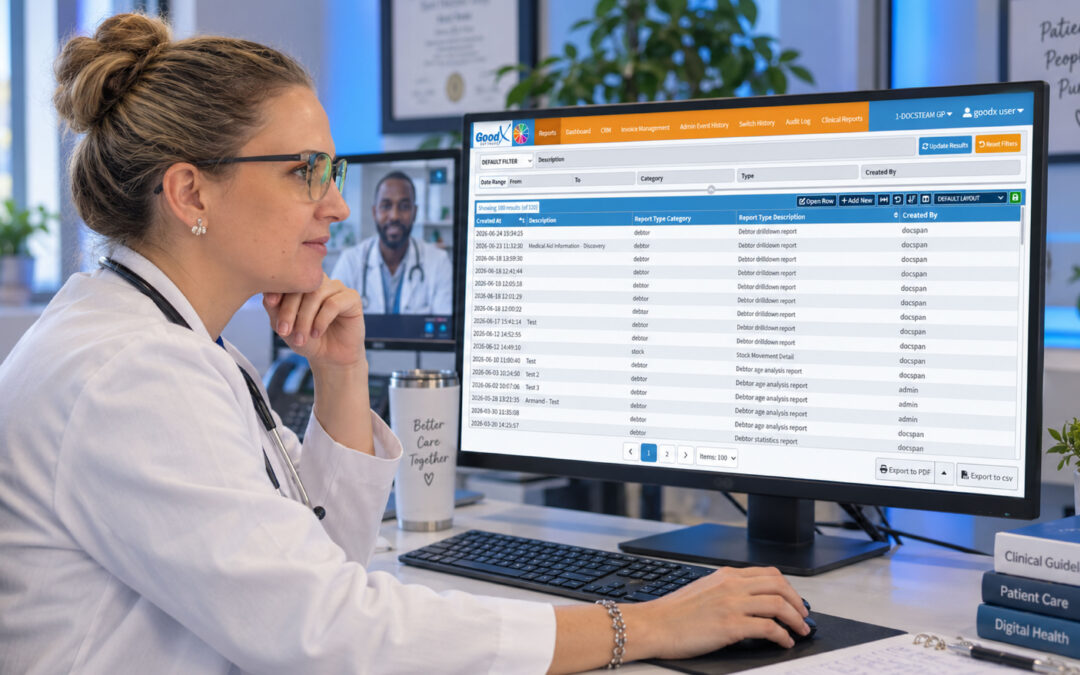
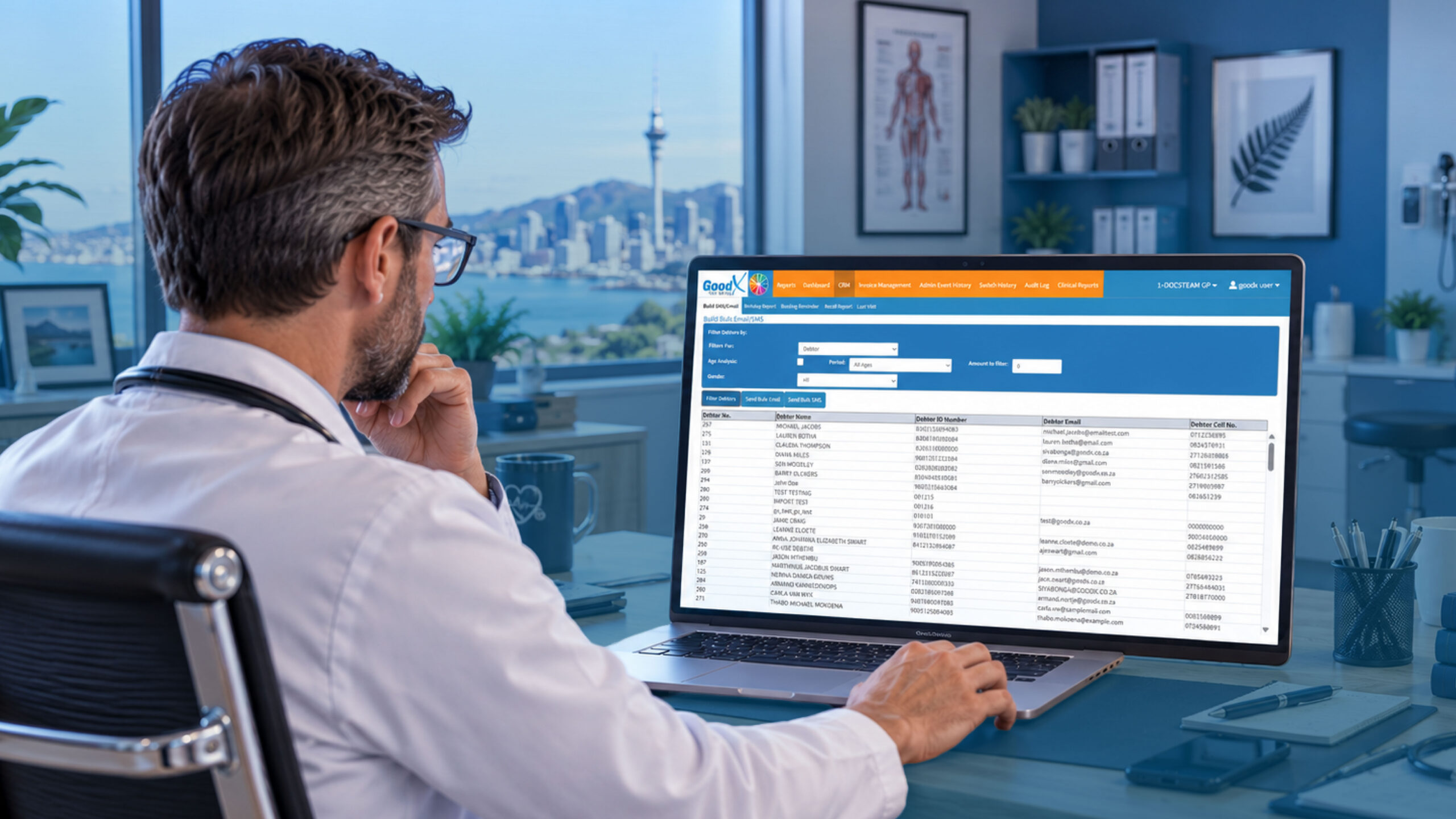
Healthcare CRM platforms can provide dashboards and reports that help organisations understand what is happening across their patient engagement processes.
For example, leaders may want to know:
- Where are new patient enquiries coming from?
- How quickly are enquiries receiving responses?
- Which follow-up processes are being completed?
- Where are patients dropping out of the journey?
- Which communication activities are producing engagement?
- Where are administrative bottlenecks occurring?
These insights can support better operational decisions.
Clinical and Practice Management Integration
Integration is particularly important in healthcare.
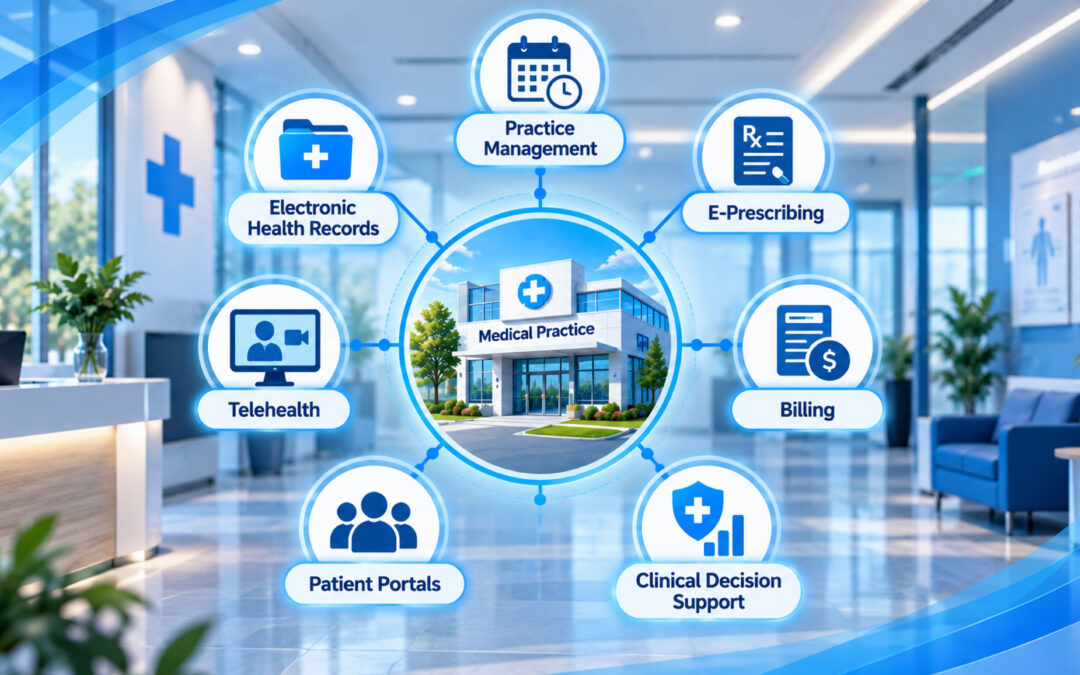
A CRM may need to connect with an organisation’s practice management system, electronic health record (EHR), electronic medical record (EMR) or other software.
The purpose is to reduce unnecessary data duplication and help authorised teams access the information they need within appropriate workflows.
However, integration does not mean that a CRM and clinical system have the same purpose.
Healthcare CRM vs EHR: What’s the Difference?
One of the most common questions surrounding healthcare CRM is how it differs from an EHR.
The simplest distinction is this:
An EHR is primarily a clinical record. A CRM is primarily focused on managing relationships, interactions, engagement and related workflows.
An EHR can contain clinical information such as medical histories, diagnoses, medications, test results and treatment information.
A healthcare CRM, meanwhile, can focus on the broader relationship between a healthcare organisation and its patients, including:
- Communications
- Enquiries
- Appointment workflows
- Follow-ups
- Referrals
- Engagement
- Administrative processes
They can therefore complement one another.
| Healthcare CRM | EHR / Clinical System |
| Focuses on patient relationships and engagement | Focuses primarily on clinical records |
| Tracks interactions and communications | Stores clinical information |
| Supports outreach and follow-up workflows | Supports clinical documentation |
| Can help manage enquiries and referrals | Provides access to health records |
| Can automate administrative workflows | Supports clinical workflows |
| May integrate with clinical systems | May integrate with CRM systems |
The distinction matters because a healthcare CRM shouldn’t automatically be viewed as an EHR replacement.
Organisations may need different systems to perform different functions.
What Are the Benefits of Healthcare CRM?
The right CRM can deliver benefits across patient experience and healthcare operations.
1. Better Patient Engagement
A CRM can help healthcare teams communicate with patients more consistently and personally.
Instead of treating every interaction as an isolated event, teams can use available information to understand where a patient is within their journey and what action may be appropriate next.
2. More Efficient Communication
When communications are organised within a structured system, staff can spend less time searching for previous interactions or determining who needs to follow up.
This can make communication faster and more consistent.
3. Less Manual Administrative Work
Automation can take repetitive tasks off employees’ workloads.
Appointment reminders, follow-up tasks, enquiry assignment and other workflows can potentially be automated according to the organisation’s processes.
4. Improved Care Coordination
When relevant information is easier for authorised team members to access, coordination between departments and healthcare professionals can become more efficient.
CRM systems can support this process by organising relationship and workflow information and integrating with other systems where appropriate.
5. Better Patient Experiences
Patients expect healthcare interactions to be convenient and responsive.
A fragmented experience — repeating information, waiting for callbacks, missing reminders or receiving inconsistent communication — can be frustrating.
A connected CRM workflow can help organisations create a more coordinated experience.
6. More Useful Data and Reporting
Healthcare leaders need visibility into their operations.
CRM analytics can help identify trends, measure workflow performance and reveal areas where processes may need improvement.
Healthcare CRM and Privacy in New Zealand
For New Zealand healthcare organisations, privacy should be an important part of any CRM evaluation.
Healthcare organisations need to consider how personal and health information is collected, stored, accessed, used and shared, particularly where a CRM forms part of the patient information environment.
When evaluating healthcare CRM software, organisations should consider:
- How patient information is protected
- Who can access information
- How user permissions are managed
- Whether access activities can be monitored
- How information is stored
- How information is transmitted
- How staff access is removed when employees leave
- What security controls the provider maintains
- How the system integrates with other healthcare platforms
- What happens if a security incident occurs
Privacy and security should be considered from the beginning of a CRM project, rather than added as an afterthought.
New Zealand healthcare organisations should also assess their own obligations and obtain appropriate professional advice when necessary.
How to Choose a Healthcare CRM in New Zealand
Choosing a healthcare CRM should start with your organisation’s actual problems rather than a list of impressive software features.
What Are You Trying to Improve?
Perhaps your biggest challenge is:
- Patient enquiries
- Appointment follow-up
- Communication
- Referrals
- Patient engagement
- Administrative workload
Define the problem first.
A CRM should solve a genuine operational problem rather than simply add another piece of software.
Does It Integrate With Your Existing Systems?
A CRM that cannot work effectively with your existing technology may create another information silo rather than eliminating one.
Look at:
- Practice management integration
- Clinical system integration
- APIs
- Scheduling systems
- Communication tools
- Patient portals
- Reporting systems
Does It Support Your Privacy and Security Requirements?
For New Zealand healthcare organisations, privacy and security should be central to the evaluation process.
Ask prospective vendors detailed questions about:
- Health information
- Access management
- Security controls
- Data handling
- User permissions
- Audit capabilities
- Backups
- Incident response
Don’t rely solely on marketing claims. Understand how the system actually handles information.
Is It Easy for Staff to Use?
The most sophisticated CRM in the world won’t help much if employees avoid using it.
Look for an interface that is intuitive and workflows that fit naturally into how your teams already work.
Can It Scale?
Your organisation’s needs may change.
A healthcare CRM should ideally be capable of supporting:
- Additional users
- New workflows
- Additional locations
- New integrations
- Growing patient engagement requirements
How to Implement a Healthcare CRM
Successful implementation requires more than purchasing software and giving employees passwords.
A practical approach is to:
- Define your objectives. Decide what you want the CRM to improve.
- Map existing workflows. Identify where information currently gets lost or duplicated.
- Choose the right platform. Evaluate healthcare functionality, integrations, security, usability and scalability.
- Plan your data migration. Determine what information should be transferred and how it should be structured.
- Configure workflows. Build processes around your organisation’s real patient and administrative journeys.
- Integrate important systems. Connect the CRM with appropriate clinical, practice management, scheduling and communication platforms.
- Train staff. Make sure employees understand both the software and relevant data-handling policies.
- Measure results. Monitor adoption, response times, workflow performance, patient engagement and other relevant metrics.
- Improve continuously. Use the data to identify bottlenecks and refine workflows.
The implementation should ultimately make work simpler, not merely move the same complicated process into another piece of software.
Who Can Benefit From Healthcare CRM?
Healthcare CRM software can be useful for many types of New Zealand healthcare organisations, including:
- Medical practices
- General practices
- Hospitals and health organisations
- Specialist clinics
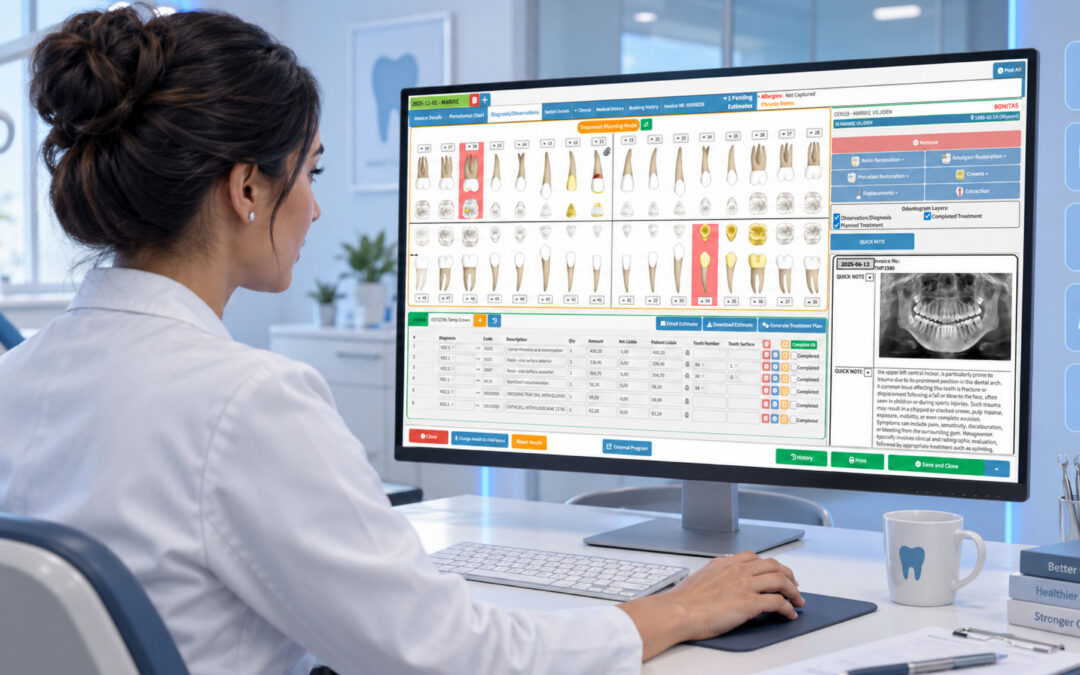
- Dental practices
- Mental health organisations
- Rehabilitation providers
- Diagnostic and laboratory organisations
- Outpatient care providers
- Healthcare service providers
- Organisations managing referrals and patient engagement
The specific value depends on the organisation’s size, workflows, technology environment, patient population and objectives.
Frequently Asked Questions About Healthcare CRM
What Is Healthcare CRM in Simple Terms?
Healthcare CRM is software that helps healthcare organisations manage patient relationships, communications, engagement and related workflows.
It can organise interactions and automate repetitive processes while working alongside clinical systems.
How Does a Healthcare CRM Work?
A healthcare CRM collects and organises information from patient interactions and workflows.
It can help teams manage enquiries, appointments, communications, follow-ups, referrals, automation and reporting from a more centralised platform.
Is a Healthcare CRM the Same as an EHR?
No.
An EHR primarily manages clinical health records, while a CRM focuses more heavily on patient relationships, engagement, communication and related workflows.
The two systems can complement each other.
Does a Healthcare CRM Need to Meet New Zealand Privacy Requirements?
Healthcare organisations handling identifiable health information need to consider applicable New Zealand privacy requirements and how their technology supports their obligations.
Organisations should evaluate their own circumstances and obtain appropriate professional advice where necessary.
Can Healthcare CRM Software Automate Patient Communication?
Many CRM platforms can automate certain communications and workflows, such as:
- Appointment reminders
- Follow-up tasks
- Intake processes
- Enquiry management
- Patient engagement activities
The exact capabilities depend on the software and how the organisation configures it.
Can Healthcare CRM Integrate With Clinical Systems?
Many healthcare CRM platforms are designed to integrate with clinical, practice management and other healthcare systems.
Integration capabilities vary considerably, so organisations should verify compatibility with their specific technology environment before choosing a platform.
Healthcare CRM: The Bottom Line
What is healthcare CRM?
At its core, it is a technology solution for helping healthcare organisations manage patient relationships and engagement more effectively.
The biggest opportunity isn’t simply storing more information.
It’s connecting the right information with the right workflow at the right time.
A healthcare CRM can help organisations:
- Organise patient communications
- Automate repetitive tasks
- Manage enquiries and referrals
- Improve follow-up
- Analyse performance
- Create a more coordinated patient experience
For New Zealand healthcare organisations, privacy, security and appropriate information handling should be important considerations when evaluating any healthcare CRM.
A CRM should therefore complement rather than replace the clinical systems healthcare professionals depend on.
When selected and implemented thoughtfully, healthcare CRM software can become an important part of a modern New Zealand healthcare organisation’s technology ecosystem — helping teams work more efficiently while keeping the patient relationship at the centre.
Ready to See How GoodX Can Help?
If you’re looking for healthcare software that can help your practice manage its day-to-day operations more effectively, discover how GoodX can support your healthcare practice.
Contact the GoodX team to book a demo and learn more.
Disclaimer: This article is provided for general informational and educational purposes only. While GoodX Software takes reasonable care to ensure that the information is accurate and current at the time of publication, laws, regulations, industry standards, healthcare policies and technology may change. The content should not be regarded as medical, legal, financial or other professional advice. Readers should verify information relevant to their circumstances and consult an appropriately qualified professional where necessary. GoodX Software accepts no responsibility for decisions made or actions taken solely on the basis of this content.