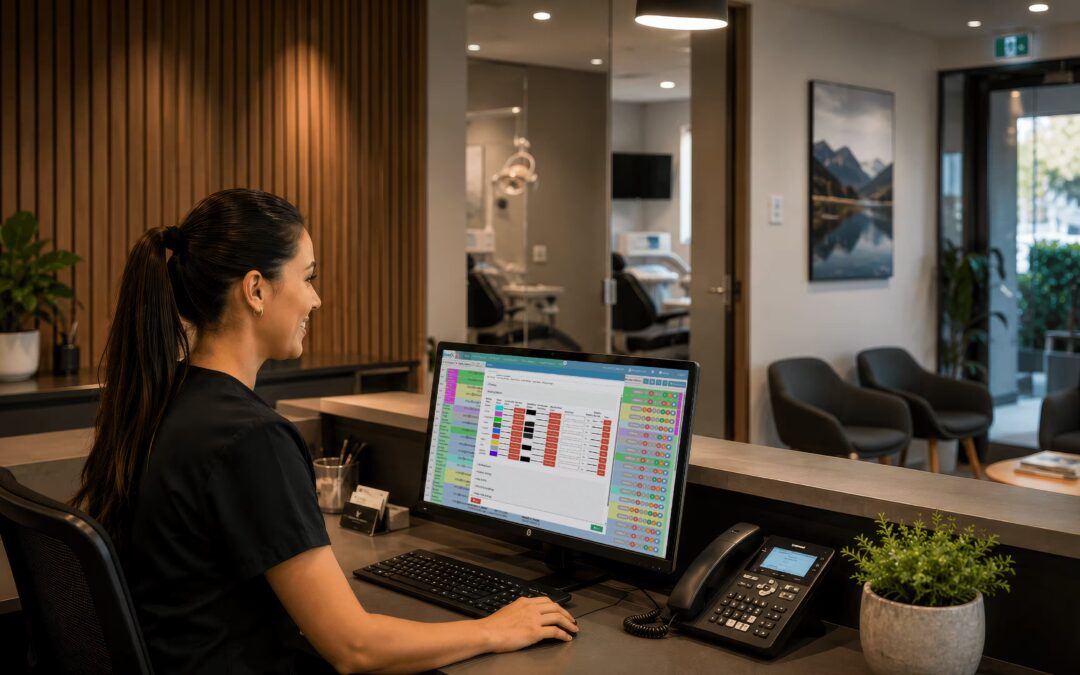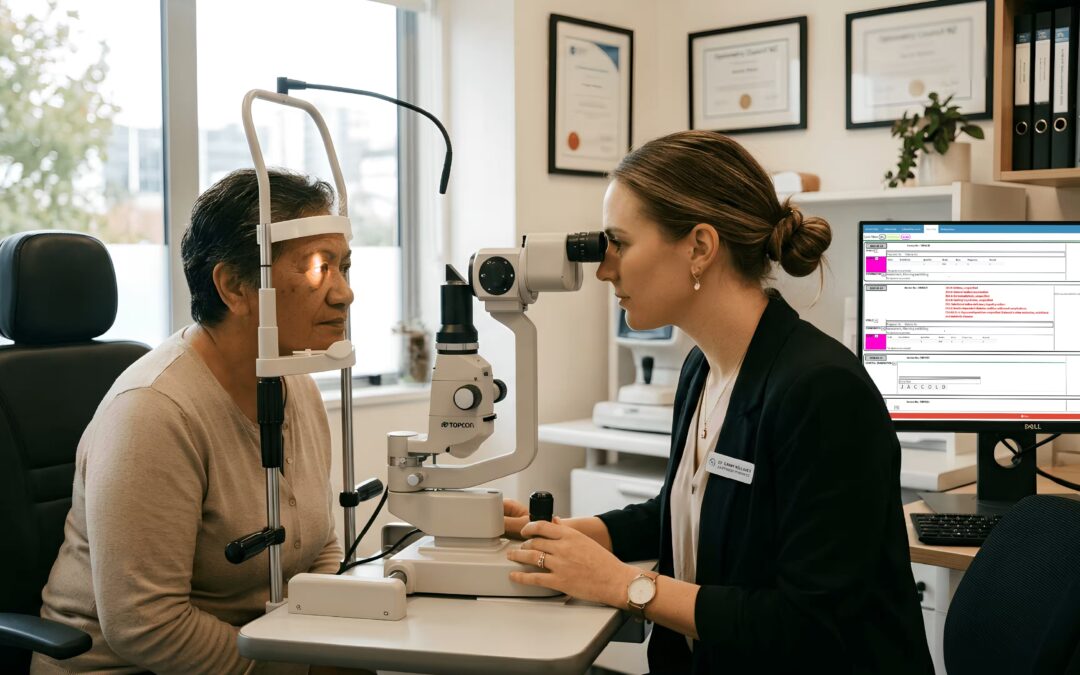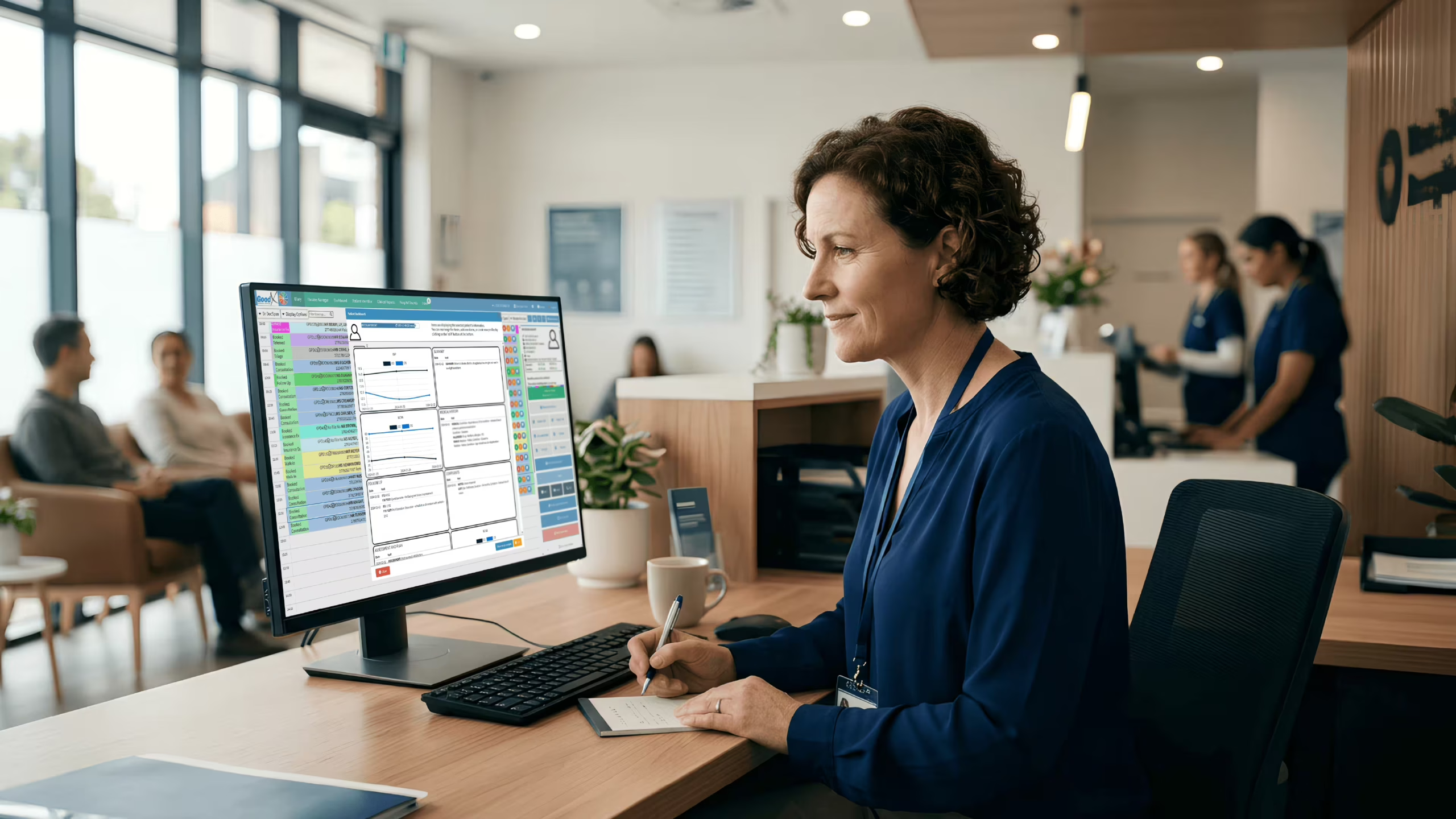
Running a medical practice in New Zealand involves managing a complex mix of patient care, administrative tasks, regulatory compliance, and financial performance. A practice management program that handles all of these functions well is not a luxury. It is the operational foundation that allows clinicians to focus on patients rather than paperwork.
The right practice management programme connects your scheduling, clinical records, billing, and reporting in a single integrated workflow. When these functions operate in silos, information gets lost between them, staff spend time reconciling records across systems, and the quality of both care and financial management suffers. This guide outlines what to look for in a programme that genuinely serves a New Zealand general practice or specialist clinic.
Accounting Practice Management Software: Why Financial Integration Matters
Many New Zealand practices use separate tools for clinical management and financial administration, then spend time at the end of each month reconciling the two. This manual reconciliation process is error-prone and time-consuming. Accounting practice management software that integrates clinical billing with financial reporting eliminates this step and gives practice managers an accurate picture of financial performance in real time.
When a patient consultation generates a charge in the clinical system, that charge should flow automatically into the financial records without requiring a staff member to re-enter it. When an ACC claim is submitted, the status and any payment received should update the accounts receivable balance automatically. These connections between clinical and financial data are what make an integrated practice management programme genuinely more efficient than a collection of standalone tools.
The New Zealand Medical Association provides guidance for New Zealand medical practices on administrative and operational standards. Practices operating within the NZMA framework benefit from using software that aligns with local clinical and billing requirements.
Financial reporting in a well-integrated programme gives you visibility into revenue by provider, procedure type, and payer. You can see which services are generating the most income, where outstanding balances are concentrated, and whether your collection rates are meeting expectations. Without this data, practice management decisions are based on evidence.
EMR and Billing Software: Clinical and Financial Workflows United
The most impactful feature of a modern practice management programme is the integration between EMR and billing software. When these two functions are connected, clinical documentation drives billing automatically. The provider records the consultation, the diagnosis codes and procedure information are captured, and the billing team receives a charge ready for submission rather than having to chase down information.
For New Zealand practices, this integration is particularly relevant to ACC billing. ACC claims require specific documentation that links the clinical record to the claim. When EMR and billing are separate systems, building this link requires manual effort. An integrated programme creates it automatically, which speeds up ACC claim submission and reduces the risk of claim rejections due to incomplete documentation.
Patient portal integration is another benefit of connecting EMR and billing. Patients can book appointments, receive appointment reminders, view their clinical summaries, and pay outstanding invoices through a single portal. This reduces no-show rates, lowers the administrative burden on reception staff, and improves the overall patient experience.
The Health Quality and Safety Commission New Zealand publishes national quality improvement guidance that highlights the role of integrated clinical information systems in reducing adverse events and improving care continuity across the New Zealand health system.
Medical Practice Software Programs: Evaluating Your Options
The market for medical practice software programmes in New Zealand has grown significantly. Practices now have access to locally developed platforms, international platforms adapted for the New Zealand market, and cloud-based solutions that operate across borders. Navigating this range of options requires a clear understanding of what your practice actually needs.
Start by identifying the pain points in your current workflow. Are claims being delayed because billing and clinical records are in separate systems? Are staff spending time on tasks that could be automated? Is reporting difficult because data is scattered across multiple tools? The answers to these questions should drive your software evaluation.
Scalability is worth considering even for smaller practices. A programme that works well for a two-provider practice should be capable of growing with you if the practice expands. Switching platforms mid-growth is disruptive and expensive, so choosing software with room to scale saves significant effort.
GoodX supports New Zealand medical practices with an integrated platform that covers practice management, clinical records, billing, and financial reporting. The platform is used by GP practices and specialist clinics that want a complete solution rather than a patchwork of separate tools.
Key Features to Look for in a Practice Management Programme
When comparing programmes, prioritise integration depth over feature count. A platform with fewer features that are deeply integrated is more valuable than one with many features that do not communicate with each other. Core features to look for include: appointment scheduling with automated reminders, integrated clinical records and billing, ACC claim support, financial reporting with customisable dashboards, and patient portal functionality.
Support and training matter as much as the software itself. A capable platform that your team cannot use confidently delivers much less value than a simpler platform that is fully adopted across the practice. Ask vendors about their onboarding process, training resources, and ongoing support options before making a decision.
The Ministry of Health NZ sets the digital health strategy for the country, ensuring that medical software providers maintain high standards for data security and interoperability within the local ecosystem.
Frequently Asked Questions
What is a practice management program and what does it do?
A practice management program is software that handles the administrative and operational workflows of a medical practice, including appointment scheduling, patient records, billing, and financial reporting. Integrated programmes also connect clinical documentation to billing and offer patient portal functionality for appointment booking and payment.
What is accounting practice management software?
Accounting practice management software integrates the financial reporting functions of a practice with its clinical and billing workflows. Instead of managing clinical billing and general accounting separately, practices can view revenue, outstanding balances, and financial performance in one system, reducing reconciliation effort and improving accuracy.
How does EMR and billing software integration benefit NZ practices?
When EMR and billing software are integrated, clinical documentation flows directly into billing without manual re-entry. For New Zealand practices, this is particularly valuable for ACC billing, where accurate clinical documentation must be linked to claims. Integration reduces claim preparation time, lowers rejection rates, and speeds up payment receipt.
How do I choose the right medical practice software program?
Start by identifying your practice’s specific pain points, then look for platforms that address them directly. Prioritise integration between clinical and billing functions, ACC claim support, reporting capability, and vendor support quality. Request demonstrations from multiple vendors and involve the staff who will use the software daily in the evaluation process.
Is cloud-based practice management software suitable for New Zealand clinics?
Yes, cloud-based practice management software is widely used by New Zealand clinics. These platforms offer automatic updates, multi-location access, and lower upfront costs compared to on-premise software. Practices should confirm that any cloud platform they consider stores data in compliance with New Zealand health information privacy requirements.
Find the Right Practice Management Programme with GoodX
A practice management programme that integrates clinical records, billing, and financial reporting is the most effective way to reduce administrative overhead and improve practice performance in New Zealand. GoodX gives you a complete, integrated platform built specifically for healthcare.