Picture a Monday morning at a busy general practice. A patient turns up after a weekend admission, holding a discharge summary that’s missing the new medication list. Your nurse rings the hospital, waits on hold, and the next three appointments slip by ten minutes each.
That small delay is what a shared electronic health record is meant to prevent. It gives the providers involved in a person’s care access to the same core information, at the time they need it, without anyone chasing faxes or phone calls. For practice owners and managers, the question isn’t whether this matters. It’s how to make it work in a real practice with real staff and a real budget.
This article looks at shared records through one lens: continuity between providers. We’ll cover what continuity needs from your systems, how to share information securely under New Zealand rules, how to cut repeated tests and slow referrals, and where GoodX fits in. Patient information sharing is rarely a technology problem alone. It’s a habit, a policy and a tool working together.
Continuity of Care Between Healthcare Providers Starts With One Version of the Truth
Continuity breaks down in the gaps. A GP, a physiotherapist, a specialist and a community pharmacist can each do excellent work and still leave the patient to carry the story between them. Every retelling loses a detail, and sometimes that detail is an allergy.
A multidisciplinary care team works best when everyone sees the same current picture: diagnoses, medications, recent results, care plans and who is responsible for what. If the practice nurse updates a wound care plan, the visiting specialist shouldn’t have to hear about it secondhand. When the record is shared, the update is simply there.
Legibility matters too. Industry commentary on small practices has long pointed out that typed notes avoid the errors that come from misread handwriting, and that integrated systems save the time staff lose switching between scheduling, billing and clinical screens. Those gains sound modest until you multiply them across a week of consultations.
There’s a usability catch, though. A shared record that takes forty clicks to read won’t be read. The American Medical Association’s guidance on cutting time spent typing in the EHR describes organisations that saved clinicians around 45 minutes a day through shared templates and fewer alerts, and others that gained 6 to 20 minutes daily from faster login and voice recognition. These are United States figures, but the lesson travels: if you want colleagues to use shared information, make the record quick to open and easy to scan.
Think about what a receiving provider actually needs. A short, current summary at the top, with detail underneath, beats a long chronological scroll every time. Agree as a practice what goes in that summary, and keep to it.
Sharing Patient Records Securely in New Zealand
Connected care only works if patients trust it. In New Zealand, the Health Information Privacy Code sets the rules for how health agencies collect, use, store and disclose health information, and the Privacy Commissioner oversees it. The Royal New Zealand College of General Practitioners explains how the Privacy Act and the Code apply in practice, and it’s worth every new staff member reading it.
Sharing for the purpose of a patient’s care is generally expected, but it isn’t a free-for-all. Staff should only see what their role requires, and you should be able to show who accessed what. Patients should also know how their information moves between providers, which is as much a conversation at the front desk as a line in your privacy statement.
Rule 5 of the Code requires reasonable safeguards, and the Privacy Commissioner’s factsheet on storage, security, retention and disposal of health information is clear that this covers electronic, operational and physical measures. It also reminds providers that health information is generally kept for 10 years from the last encounter with the patient, and that secure destruction includes electronic copies. Many practices forget that last point when they migrate systems and leave old copies sitting on a retired laptop.
A practical habit comes from United States guidance too. HealthIT.gov’s privacy and security resources for providers stress that risk assessments should be reviewed regularly rather than done once, and that a software vendor can help but can’t carry your whole compliance duty. That’s a US framework, not a New Zealand legal requirement, yet the principle holds here. Review your access permissions, passwords and devices at least once a year, and again whenever staff change.
Good security is also mostly mundane. Unique logins for every person, automatic screen locks, encrypted devices and a clear process for removing access when someone leaves will prevent far more incidents than any clever tool.
Reducing Duplicate Tests and Referral Delays
Ask any practice manager where time and money leak out of the system, and referrals come up quickly. A letter goes out without the latest bloods. The specialist’s rooms ask for them. Someone rings the lab, someone else rings the patient, and three weeks later the appointment is still unbooked.
When providers can see recent results, imaging reports and prior assessments, they’re far less likely to order the same test again. That saves the patient another needle, another trip, and sometimes another co-payment. It also frees capacity in services already under pressure, which matters across Health New Zealand | Te Whatu Ora and the wider system.
Referral delays tend to come from missing information, not missing goodwill. A complete referral that carries the history, current medications, relevant results and the clear question being asked gets triaged faster. A thin one bounces back. Build a referral checklist for your most common destinations and make sure your clinical record can populate most of it automatically.
Standards underpin all of this. HealthIT.gov’s overview of interoperability explains how common technical standards and governance let different systems exchange data meaningfully, and its page on health information exchange describes how that exchange supports care coordination. The programmes it describes are American, but the principle is universal: systems that speak a common language make handovers faster. When you assess any software, ask how it exchanges information with labs, hospitals and other practices, and whether you can get your data out again if you ever switch.
One caution: sharing more doesn’t mean sharing everything. Send what’s relevant to the referral question, and keep sensitive material that isn’t needed out of the package. That’s good clinical writing and good privacy practice in one move.
Where GoodX Fits Into Connected Care
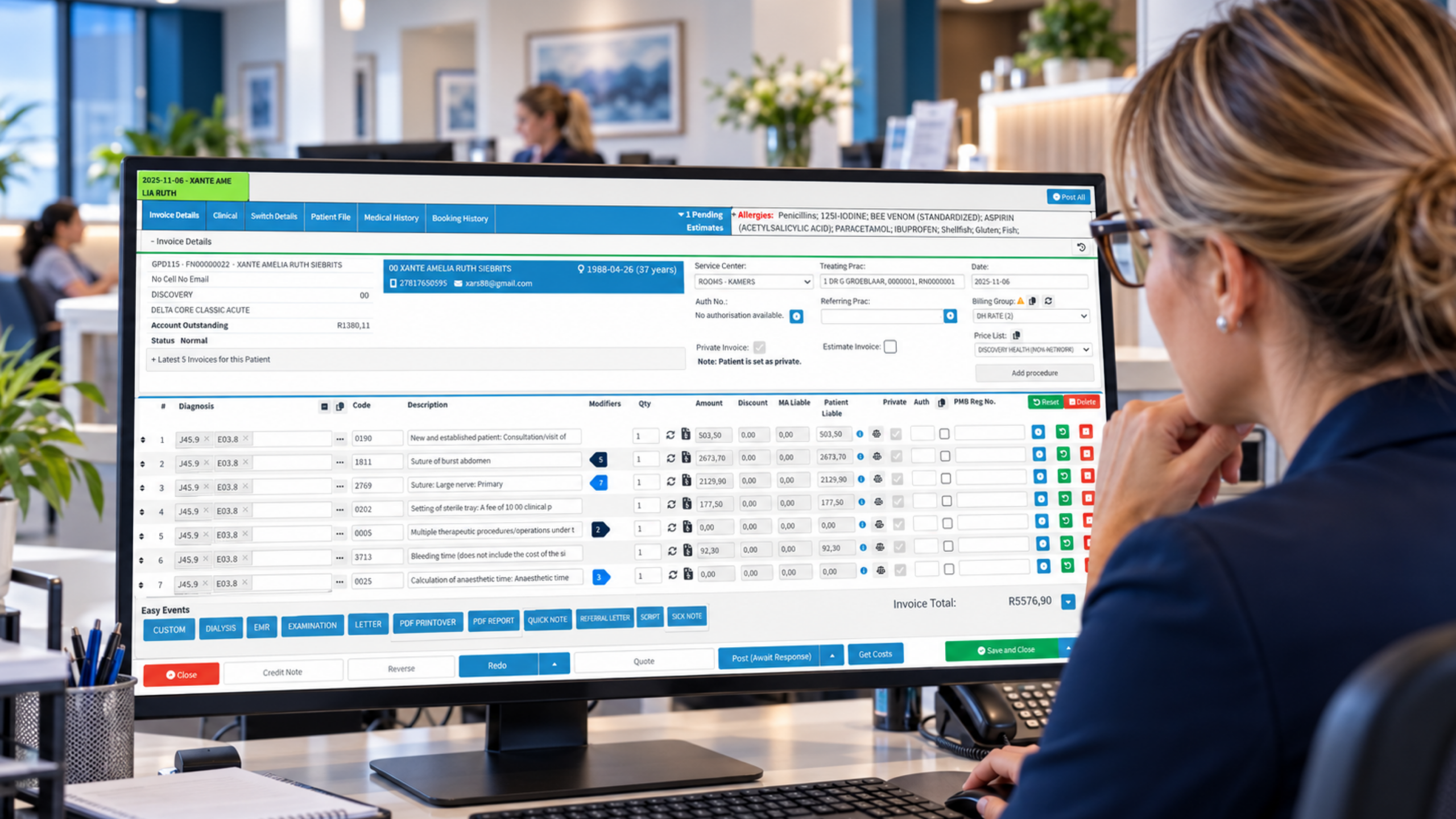
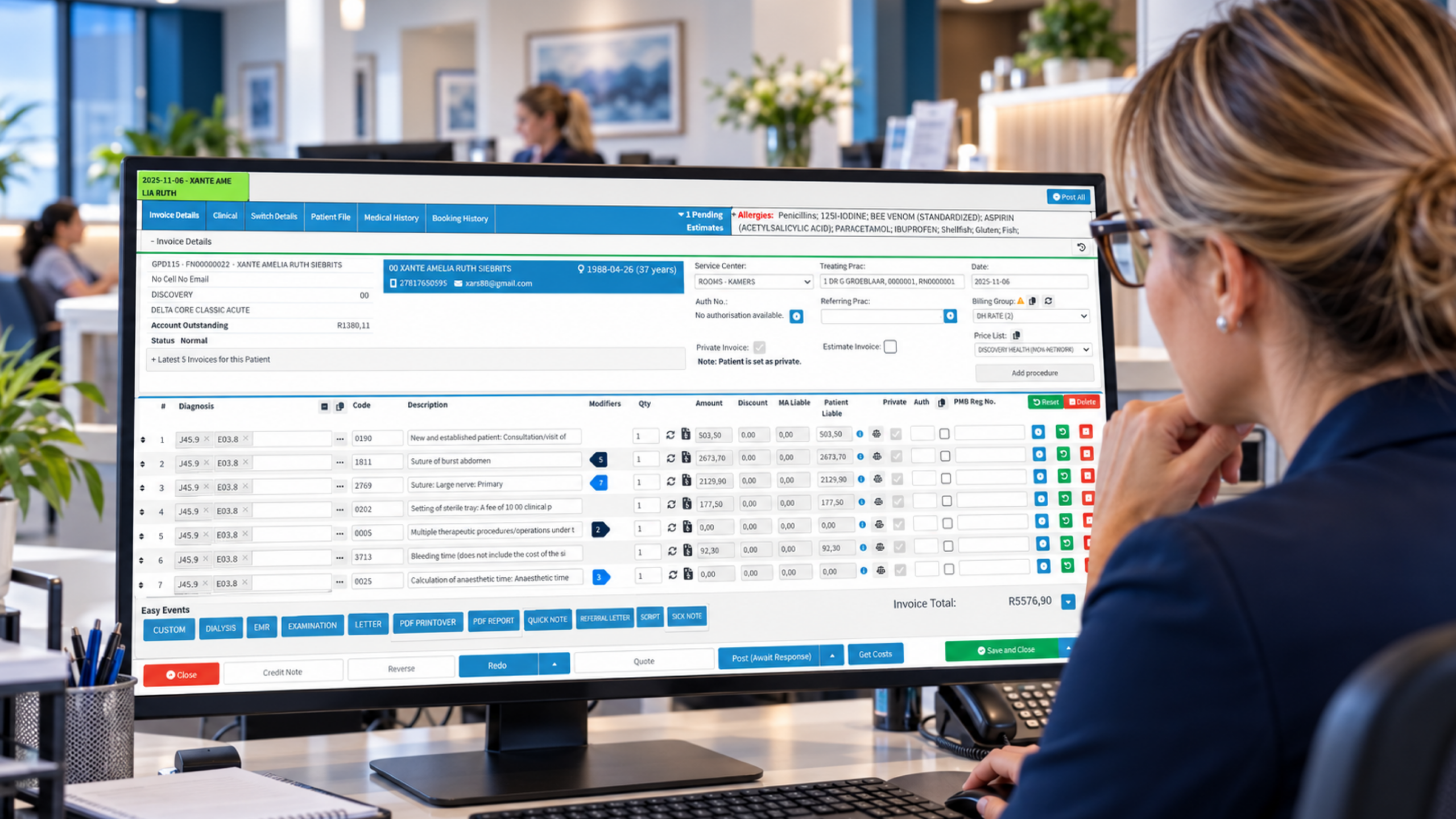
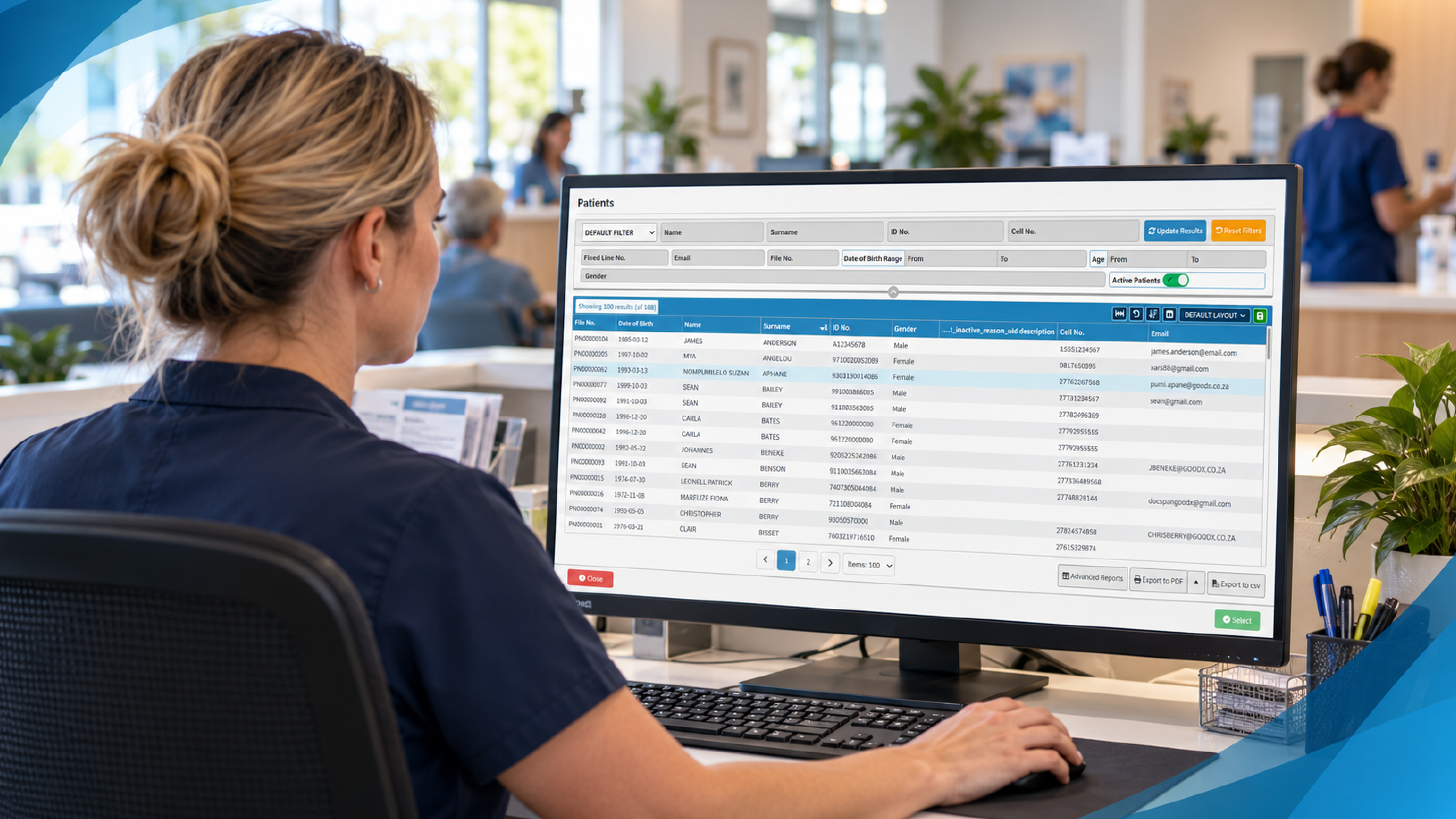
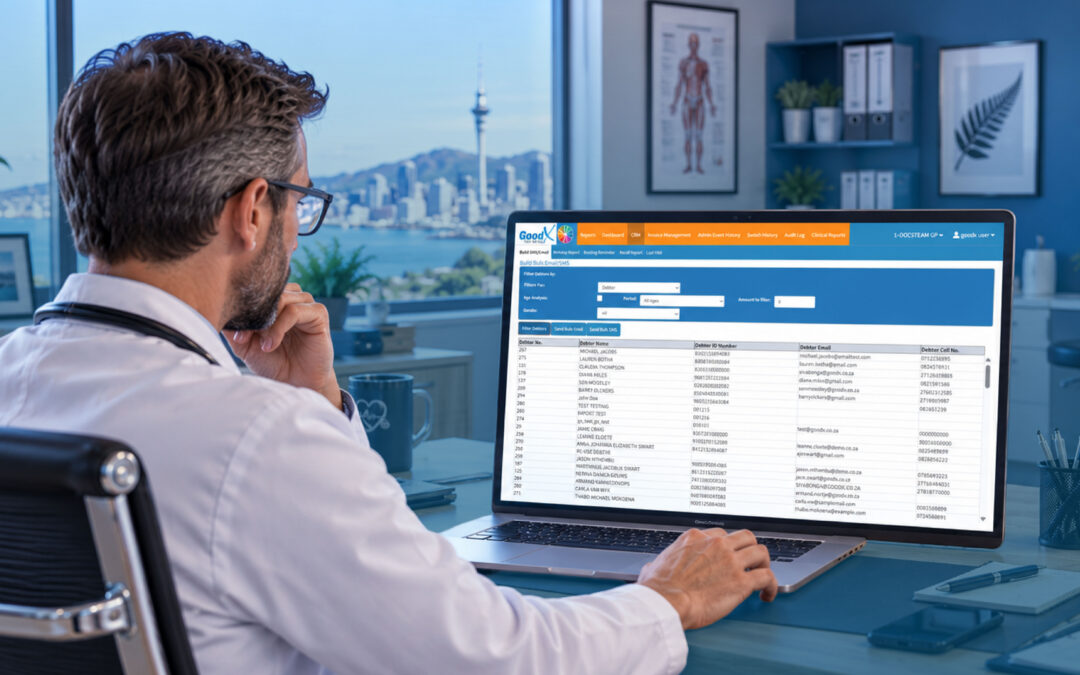
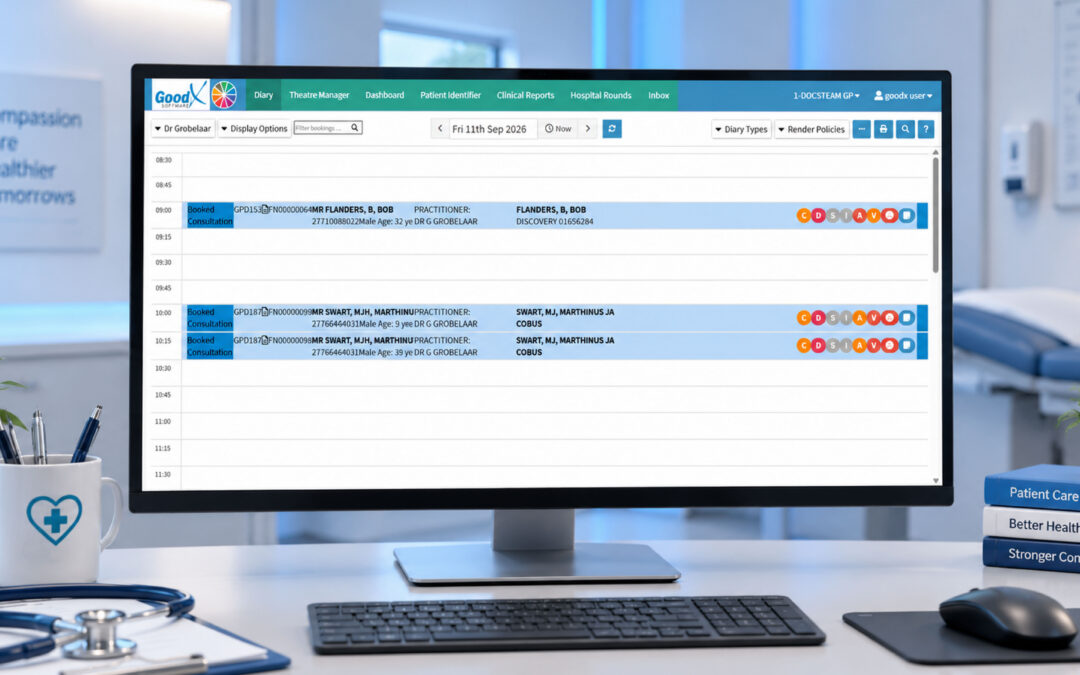
A shared record is only as useful as the practice behind it. GoodX is practice management software that brings clinical records, bookings, billing and reporting into one system, so the information your team needs for continuity sits alongside the work they do all day. Less switching between screens means fewer missed details.
For continuity, the benefits are practical. Clinicians can keep structured, legible notes that colleagues can read quickly, and administrators can track referrals and follow-ups instead of relying on memory or sticky notes. Bookings and recalls sit in the same place as the clinical picture, which helps when a patient needs a timely review after a hospital stay. See how [INTERNAL LINK: clinical records and patient notes -> GoodX clinical records page] work for a multidisciplinary care team.
Compliance is part of the picture as well. Role-based access and an audit trail support the safeguards the Health Information Privacy Code expects, though your policies and training still do the heavy lifting. GoodX also helps with the admin side: [INTERNAL LINK: automated billing and claims -> GoodX billing and claims page] cuts the rekeying that eats into a practice manager’s week, and [INTERNAL LINK: practice reporting tools -> GoodX reporting page] show you where referrals stall or recalls go unanswered.
None of this replaces good habits. It gives them somewhere to live.
Frequently Asked Questions
What is a shared electronic health record?
A shared electronic health record is a patient record that authorised providers involved in their care can access and update. It brings together key information such as medications, results and care plans, so each provider works from the same current picture instead of relying on faxes, calls or the patient’s memory.
Does the Health Information Privacy Code allow sharing records between providers?
Yes, health information can generally be shared for a patient’s care, but the Code still applies. You must have a proper purpose, share only what’s needed, keep information secure and be open with patients about how it moves. Check the Privacy Commissioner’s guidance for your specific situation.
How long must we keep health records in New Zealand?
Health information is generally kept for 10 years from the last time the provider provided services to the individual. After that, it must be destroyed securely, including electronic copies. Confirm the details against the Privacy Commissioner’s factsheet and your own professional obligations.
How does a shared record reduce duplicate tests?
It lets each provider see recent results and imaging before ordering more. If the earlier test is current and relevant, the clinician can rely on it. That spares patients repeat procedures and reduces avoidable cost and waiting for everyone involved.
What should a small practice check before choosing software for shared records?
Check how it controls access, records an audit trail, exchanges information with other providers and lets you export your data. Ask how it supports your Health Information Privacy Code duties, and how quickly staff can learn it. A short trial with your own workflows will tell you more than a brochure.
Book your free GoodX demo
See how connected records, bookings and billing can work together in your practice. Book a free demo at goodx.co.nz and bring your trickiest referral or handover scenario along.
Disclaimer: This article is provided for general informational and educational purposes only. While GoodX Software takes reasonable care to ensure that the information is accurate and current at the time of publication, laws, regulations, industry standards, healthcare policies and technology may change. The content should not be regarded as medical, legal, financial or other professional advice. Readers should verify information relevant to their circumstances and consult an appropriately qualified professional where necessary. GoodX Software accepts no responsibility for decisions made or actions taken solely on the basis of this content.