Types of Medical Software for New Zealand Practices
Healthcare practices rely on more technology than ever, but not all medical software does the same job. From managing appointments and patient records to supporting telehealth and electronic prescribing, different systems are designed to solve different problems.
Understanding the types of medical software available can help New Zealand practices decide what they actually need — and where an integrated solution can make everyday work easier.
What Is Medical Software?
Medical software refers to digital tools designed to support healthcare professionals, practices and patients. Some systems focus on clinical care, while others handle administration, communication, billing or patient engagement.
In New Zealand, medical software also needs to work within the country’s healthcare environment, including systems such as the National Health Index (NHI), electronic prescribing and other health-information services.
The most common types include the following.
1. Practice Management Software
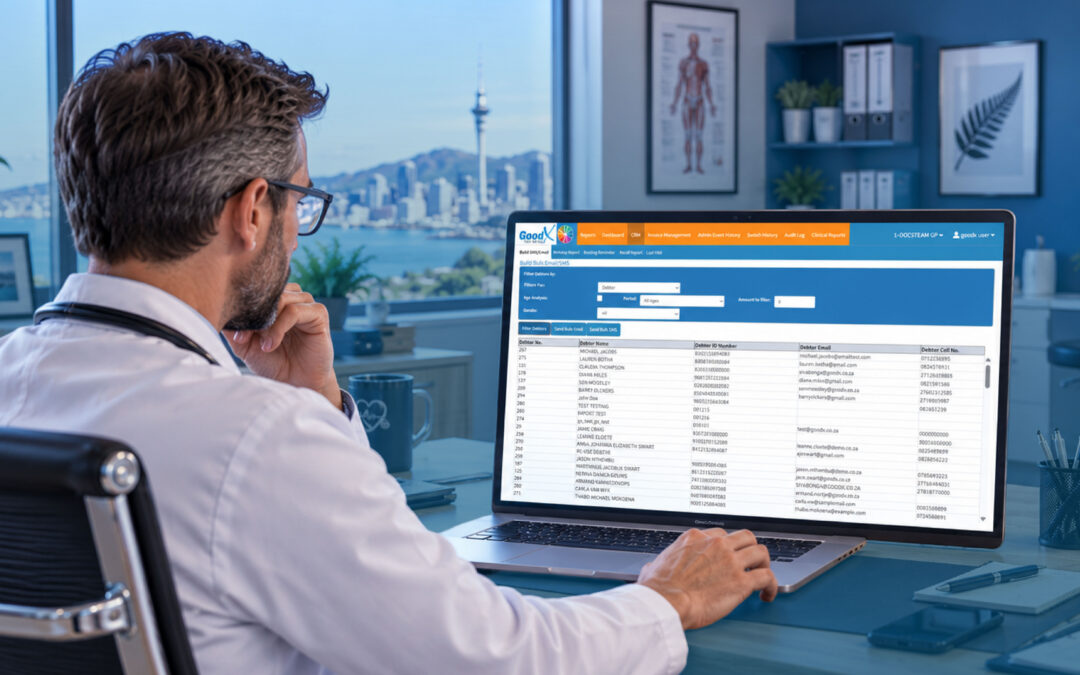
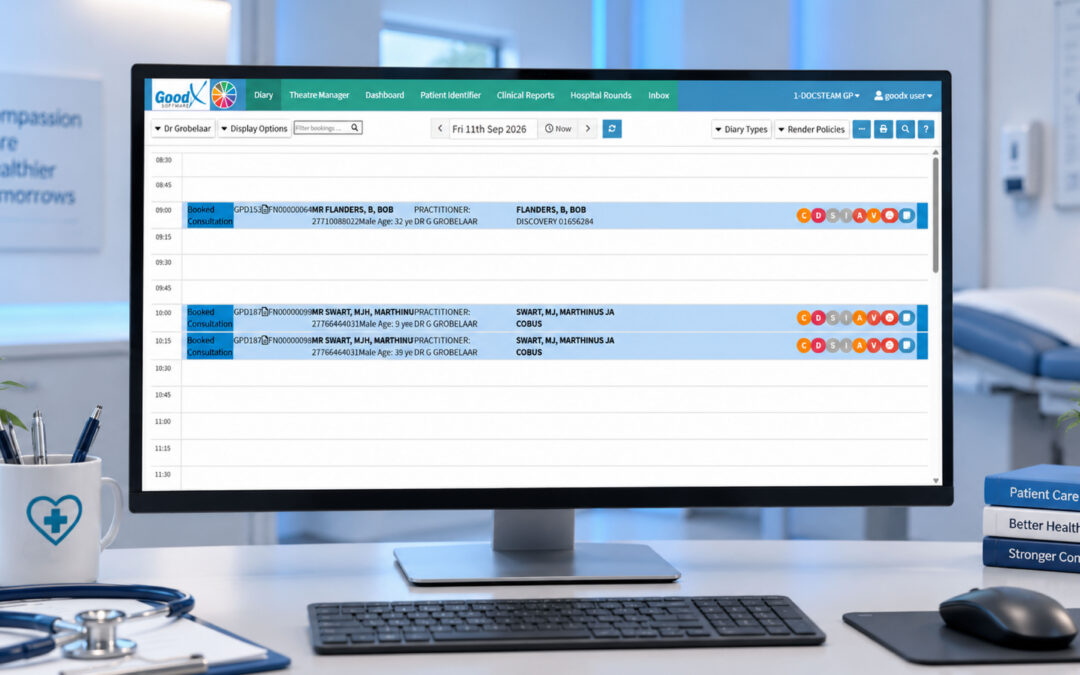
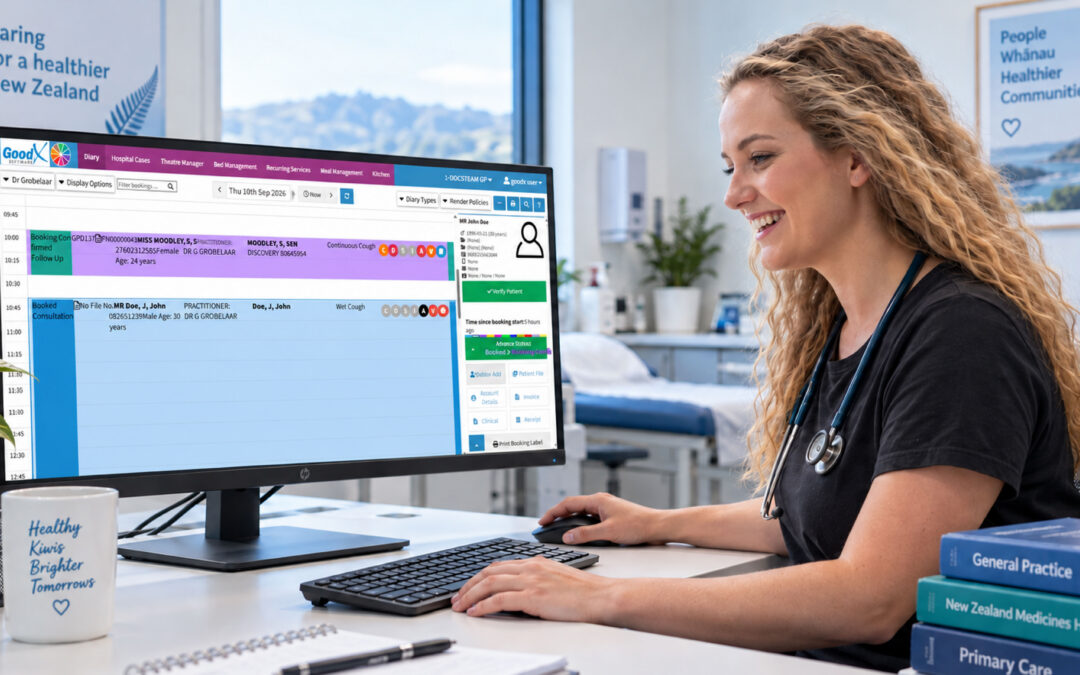
Practice management software (PMS) is one of the most widely used systems in medical practices.
It can bring together everyday tasks such as:
- Appointment scheduling
- Patient registration
- Clinical documentation
- Billing and claims
- Recalls and reminders
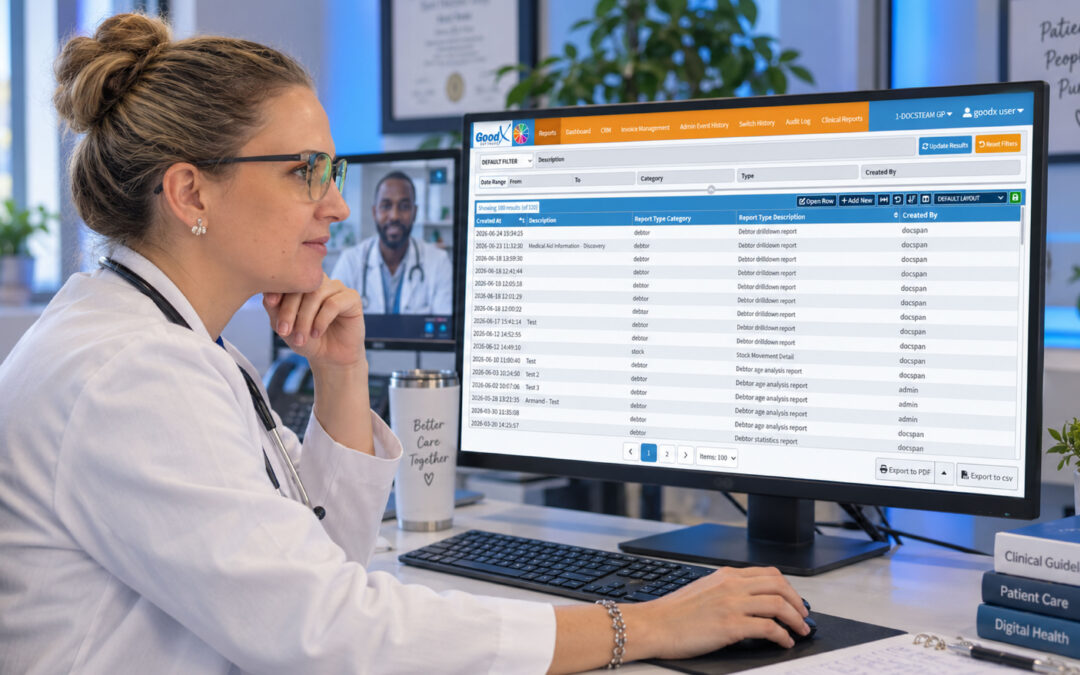
- Reporting
- Patient communications
Rather than having separate systems for every administrative task, a PMS can provide a central platform for running the practice.
For New Zealand practices, local integrations are particularly important. A suitable system may need to support workflows involving ACC, NHI, e-prescribing, HealthLink, immunisation information and PHO-related processes.
2. Electronic Medical and Health Records
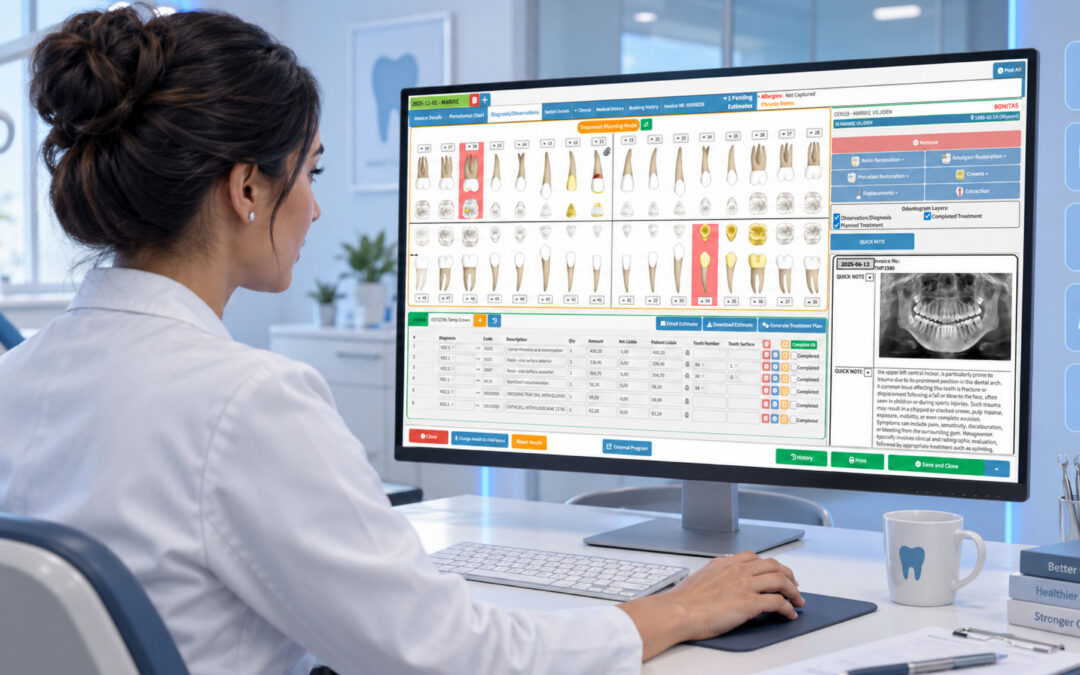
Electronic Medical Records (EMRs) and Electronic Health Records (EHRs) allow patient information to be stored digitally instead of relying on paper files.
Depending on the system, clinicians may be able to access information such as:
- Consultation notes
- Medications
- Allergies
- Immunisations
- Test results
- Diagnoses
- Referral information
In many modern New Zealand practice-management systems, clinical records and administrative functions are combined, meaning staff don’t necessarily need to move between completely separate platforms.
3. Electronic Prescribing Software
Electronic prescribing allows healthcare professionals to send prescriptions digitally rather than relying solely on handwritten or printed prescriptions.
New Zealand’s New Zealand ePrescription Service (NZePS) is an important part of this digital process.
For practices, electronic prescribing can reduce paperwork and make prescription workflows more efficient while helping connect prescribing with the patient’s digital clinical record.
4. Telehealth Software
Telehealth platforms allow healthcare professionals to provide consultations remotely using digital communication tools.
This can be particularly useful when patients cannot easily travel to a practice, as well as for follow-up appointments and certain types of consultations.
Telehealth software may include features such as:
- Video consultations
- Secure messaging
- Appointment management
- Patient communication
- Digital documentation
The important consideration is making sure remote consultations still fit naturally into the practice’s wider workflow.
5. Medical Billing and Claims Software
Medical billing software helps practices manage the financial side of healthcare.
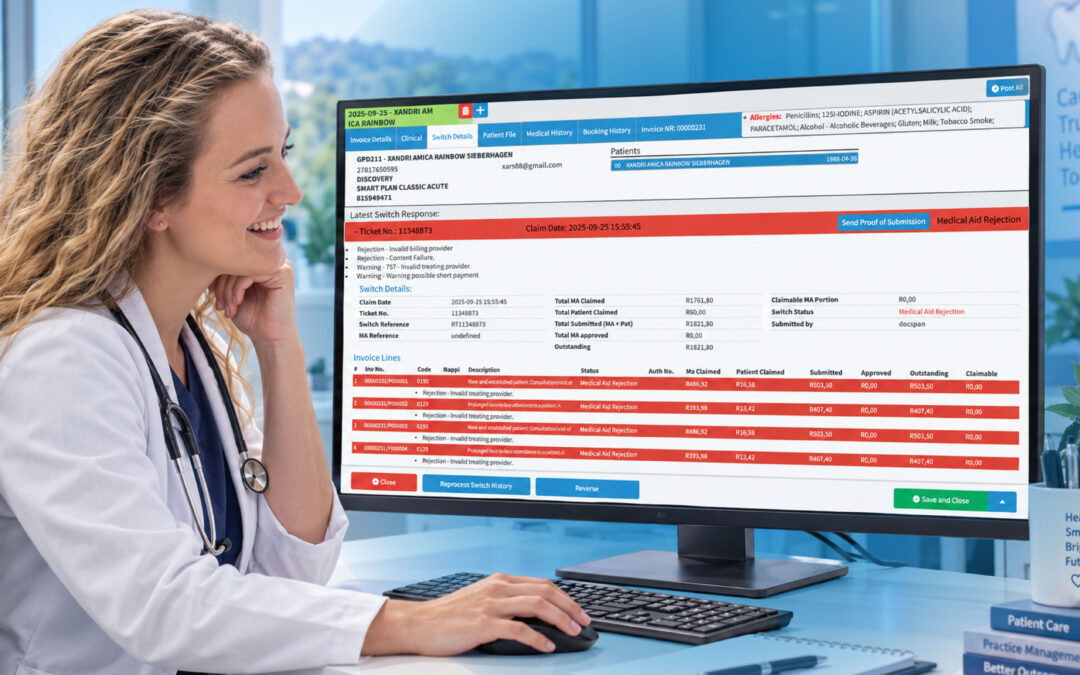
Depending on the type of practice, this can include patient invoices, ACC claims, government-funded services, private insurance and debtor management.
When billing is connected to the clinical encounter, information can flow from the consultation into the relevant billing process. This reduces duplicate data entry and can help practices keep their financial records more organised.
6. Patient Portal Software
Patient portals give patients digital access to selected healthcare services and information.
Depending on the platform, patients may be able to:
- Request or manage appointments
- View parts of their health record
- Request repeat prescriptions
- Communicate with their practice
- Access health information
These tools can give patients more control while reducing some routine administrative work for reception teams.
7. Clinical Decision-Support and AI Software
A newer category of medical software involves artificial intelligence and clinical decision-support tools.
AI can assist with tasks such as clinical documentation, summarising consultations and creating structured notes. Instead of a clinician spending additional time typing everything after an appointment, an AI documentation tool can help turn a consultation into a usable clinical note.
This is an area where GoodX can help practices by supporting the broader digital workflow around patient management and practice administration. The value isn’t simply having another piece of technology; it is having software that helps reduce repetitive work and keeps information organised within the practice.
When considering AI tools, practices should also think carefully about privacy, data handling, security and how information moves back into the patient’s clinical record.
Choosing the Right Medical Software
There isn’t one type of medical software that is automatically best for every New Zealand practice.
A small GP practice may prioritise practice management, clinical records and e-prescribing, while a specialist or allied-health practice may have very different requirements.
Before choosing a system, consider:
Does it support New Zealand healthcare requirements?
Check the integrations and workflows that your practice actually relies on.
Can different functions work together?
Software that reduces the need to repeatedly enter the same patient information can save significant administrative time.
Is it easy for staff to use?
Even feature-rich software won’t deliver much value if clinicians and administrative teams find it difficult to use.
What happens to your data?
Understand how patient information is stored, protected and accessed, and what happens if you eventually change systems.
The Bottom Line
The types of medical software used by New Zealand practices cover much more than electronic patient records. Practice management systems, EHRs, e-prescribing, telehealth, billing, patient portals and AI tools can all play a role in modern healthcare.
The best approach is to look at the whole practice workflow, rather than choosing software based on a long list of features. When the right tools work together, technology can take some of the administrative pressure away from healthcare teams — leaving them with more time to focus on patients.
Contact our team to book your free GoodX demo.
Disclaimer: This article is provided for general informational and educational purposes only. While GoodX Software takes reasonable care to ensure that the information is accurate and current at the time of publication, laws, regulations, industry standards, healthcare policies and technology may change. The content should not be regarded as medical, legal, financial or other professional advice. Readers should verify information relevant to their circumstances and consult an appropriately qualified professional where necessary. GoodX Software accepts no responsibility for decisions made or actions taken solely on the basis of this content.