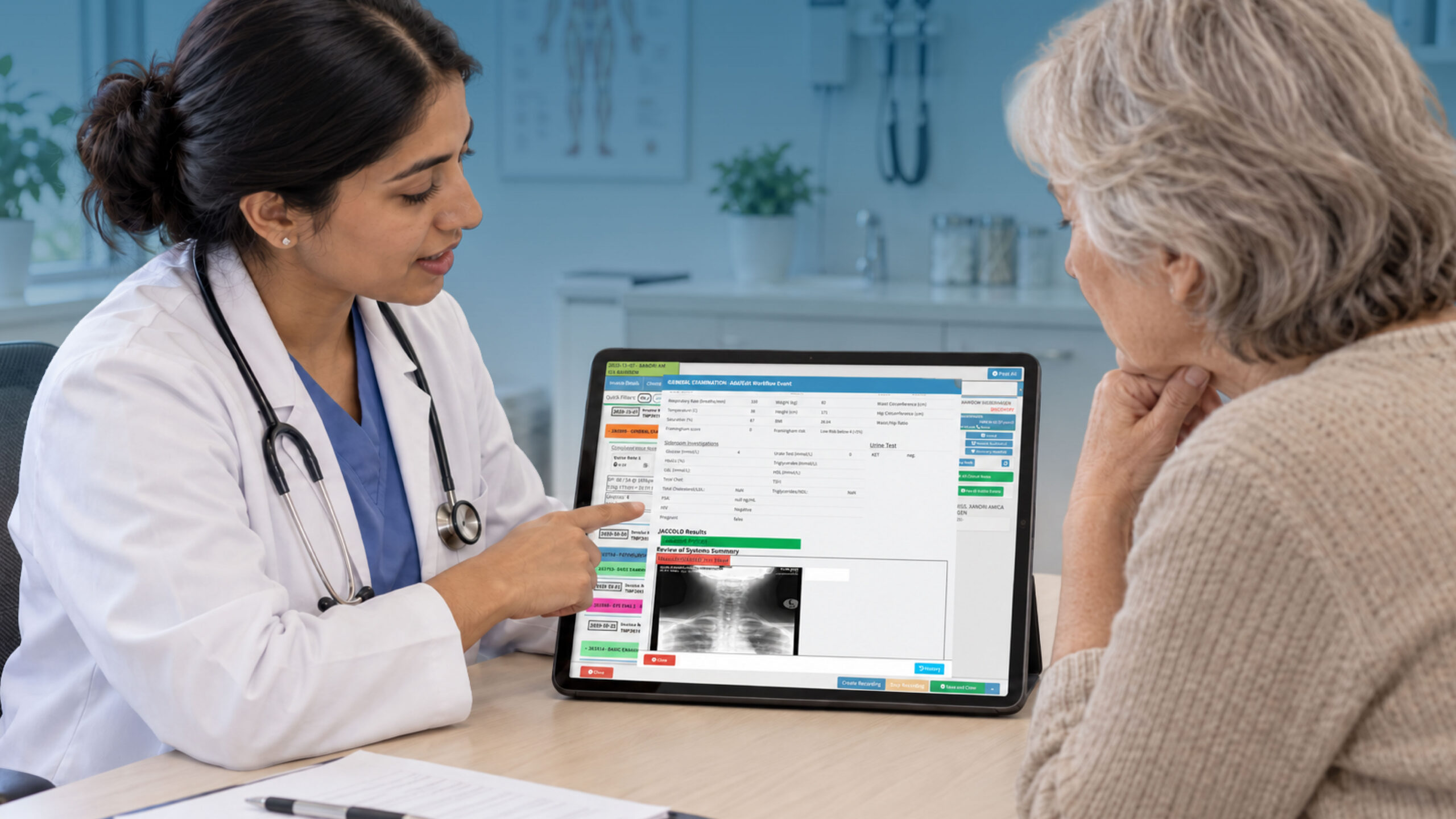
Why Is Patient Engagement Important? How It Can Influence Healthcare Outcomes
Why is patient engagement important? Because healthcare works better when patients are not simply recipients of care, but active participants in it.
When people understand their health, ask questions, participate in decisions and take an active role in managing their care, they can become more involved in the healthcare process.
Patient engagement can influence areas such as health outcomes, patient experience, satisfaction, self-management and quality of care. It can also support healthcare professionals in delivering care that better reflects a patient’s needs, preferences and circumstances.
This idea is increasingly important as healthcare becomes more connected and patients have more ways to access information and communicate with healthcare providers.
Patient portals, mobile technology, digital health tools and online information can all create additional opportunities for participation.
But patient engagement is about more than technology.
At its core, it is about partnership, communication, understanding and involvement.
What Is Patient Engagement?
Patient engagement refers to the involvement of patients in their own healthcare and healthcare decisions.
An engaged patient may take an active role by:
- Learning about their health condition
- Asking questions about their care
- Participating in treatment decisions
- Understanding their care plan
- Following agreed treatment recommendations
- Managing aspects of their health between appointments
- Monitoring symptoms or health information
- Using appropriate digital health tools
- Communicating concerns with their healthcare provider
The important point is that engagement is not about expecting patients to manage everything themselves.
Healthcare remains a partnership.
Healthcare professionals bring clinical knowledge, experience and expertise.
Patients bring knowledge of their own circumstances, preferences, experiences, concerns and everyday lives.
Bringing these perspectives together can support more person-centred care.
This approach also aligns with the New Zealand healthcare environment. The New Zealand Health Strategy places a strong emphasis on giving people, whānau and communities greater voice and influence in decisions about their health and the design of services.
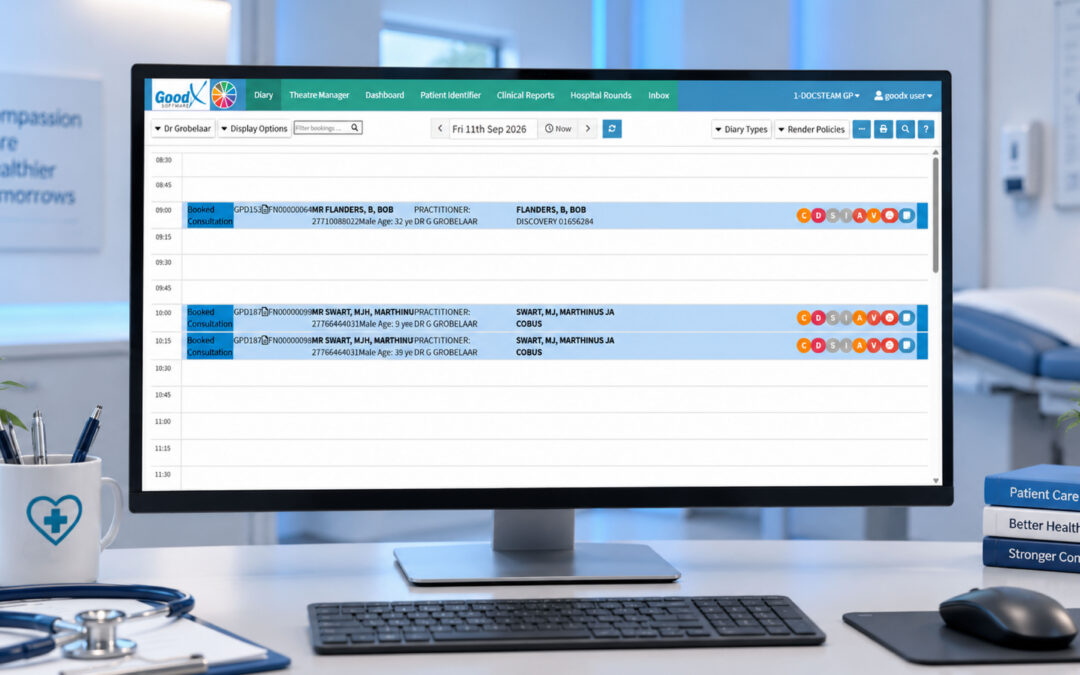
The practice management system a healthcare provider uses can play a supporting role here too. GoodX medical practice software brings patient information, communication, scheduling and clinical workflows together within a single system, which can make it easier for practices to create the day-to-day conditions that patient engagement depends on.
Why Is Patient Engagement Important for Clinical Outcomes?
One of the biggest reasons patient engagement matters is its potential relationship with health and treatment outcomes.
Healthcare doesn’t happen only inside a doctor’s consultation room.
A large part of managing health happens afterwards.
Patients may need to:
- Take medicines as recommended
- Follow a treatment plan
- Monitor symptoms
- Attend follow-up appointments
- Make lifestyle changes
- Manage a long-term condition
- Ask questions when something changes
- Make decisions about their ongoing care
This means patients have an important role to play after the clinical encounter has ended.
Patient engagement helps connect professional healthcare with what happens in everyday life.
When patients understand their condition and participate in decisions about their care, they have more opportunity to become active participants in managing their health.
That doesn’t mean engagement guarantees a particular clinical outcome.
Many factors influence health, including access to care, social circumstances, financial pressures, health literacy and the complexity of a person’s condition.
But meaningful engagement can create a stronger foundation for participation in care.
Patient Engagement Can Support Treatment Adherence
Another reason patient engagement matters is its potential relationship with treatment adherence.
A healthcare professional can recommend a treatment plan, but the patient often needs to carry out parts of that plan between appointments.
Engagement can help patients understand:
- What their treatment involves
- Why a particular treatment has been recommended
- What they need to do between appointments
- What symptoms or changes to monitor
- When they should seek further advice
- How they can participate in their own care
However, engagement shouldn’t be confused with simply telling patients to “follow instructions”.
Patients may face barriers that make treatment difficult.
These can include cost, work commitments, transport, family responsibilities, emotional challenges, health literacy or difficulties understanding complex medical information.
A more effective approach is to create an environment where patients can ask questions, discuss concerns and participate in decisions.
The goal is understanding rather than compliance alone.
Patient Engagement Supports Self-Management
Self-management is another important part of patient engagement.
This can be particularly relevant for people living with ongoing or chronic health conditions.
A healthcare professional may see a patient for a short appointment, while the patient manages their condition every day.
That makes self-management an important part of long-term care.
Patient engagement can encourage people to:
- Learn more about their health
- Understand their treatment
- Monitor relevant symptoms
- Participate in care planning
- Make informed decisions
- Take an active role in day-to-day health management
- Communicate changes to their healthcare team
This can make healthcare feel less like something that happens only during appointments.
Instead, the patient becomes part of an ongoing process.
Patient Engagement and Shared Decision-Making
Patient engagement is closely connected to shared decision-making.
Healthcare decisions aren’t always straightforward.
There may be several treatment options, different risks and benefits, or circumstances where the best decision depends partly on the patient’s preferences and priorities.
Shared decision-making allows healthcare professionals and patients to consider these factors together.
The healthcare professional contributes clinical knowledge.
The patient contributes their own experiences, values, preferences and circumstances.
Together, these perspectives can support a more personalised approach to care.
This is particularly relevant in New Zealand, where the Code of Health and Disability Services Consumers’ Rights gives consumers rights relating to effective communication, being fully informed and making an informed choice and giving informed consent.
Patient engagement therefore isn’t simply a nice addition to healthcare.
Communication and participation are fundamental parts of the relationship between patients and providers.
Effective Communication Is a Major Part of Patient Engagement
You can’t have meaningful patient engagement without effective communication.
If a patient doesn’t understand what is happening, they can’t meaningfully participate in decisions about their care.
New Zealand’s Code of Health and Disability Services Consumers’ Rights specifically recognises a consumer’s right to effective communication and information that enables them to understand what is being explained. It also recognises the right to information needed to make an informed choice or give informed consent.
For healthcare practices, this means communication should be more than simply providing information.
Consider:
- Is the information understandable?
- Does the patient have an opportunity to ask questions?
- Are concerns being listened to?
- Are treatment options explained clearly?
- Does the patient understand what happens next?
- Is communication appropriate for the person’s needs?
These seemingly simple questions can have a major effect on the patient experience.
This is one area where practice management software can help rather than hinder communication. GoodX medical practice software can support appointment reminders, patient communication and access to relevant information, so staff spend less time chasing details and more time making sure patients actually understand what’s happening with their care.
Patient Engagement Can Improve Patient Satisfaction
Another reason why patient engagement is important is its relationship with patient experience and satisfaction.
People generally want to feel heard and respected when receiving healthcare.
A patient who understands what is happening and has an opportunity to participate in decisions may feel more involved in their care.
Engagement can support:
- Better communication
- Greater understanding
- Greater involvement in decisions
- Stronger relationships with healthcare providers
- Improved confidence in the care process
- A more personalised patient experience
However, engagement doesn’t automatically guarantee satisfaction.
A patient may be highly involved in their care and still be unhappy with an outcome, waiting time or other part of their healthcare experience.
That’s why patient engagement should not be reduced to satisfaction scores.
Real engagement means giving patients meaningful opportunities to participate.
Patient Engagement Can Improve Healthcare Quality
Patient engagement can also contribute to healthcare quality.
Patients experience healthcare differently from clinicians and administrators.
They can identify problems that may not be obvious from internal processes or performance data.
For example, patients may notice:
- Communication problems
- Difficulties accessing services
- Confusing instructions
- Delays
- Problems navigating different parts of the healthcare system
- Opportunities to make services more convenient
Listening to this feedback can help healthcare organisations identify areas for improvement.
New Zealand’s Ngā Paerewa Health and Disability Services Standard reflects a shift towards more person- and whānau-centred services and emphasises empowering people to make decisions about their own care and support.
Patient engagement can therefore become part of a wider quality improvement strategy, rather than simply being a patient experience initiative.
Why Patient Engagement Matters Financially
The financial side of patient engagement needs a little more care.
It can be tempting to claim that better patient engagement automatically reduces costs or increases revenue.
The reality is more complicated.
Financial outcomes can depend on many factors, including the type of healthcare organisation, patient population, service model and how engagement initiatives are implemented.
Patient engagement may support more efficient healthcare processes, better communication and stronger participation in ongoing care.
But the financial return should be measured rather than assumed.
For healthcare practices, useful measures might include:
- Appointment attendance
- Patient retention
- Communication response rates
- Follow-up completion
- Administrative workload
- Patient satisfaction
- Patient feedback
- Outstanding accounts
- Time spent managing avoidable administrative issues
The financial value of engagement is therefore best considered alongside quality, efficiency and patient outcomes.
An integrated system such as GoodX medical practice software can help practices keep track of measures like these, since appointment, billing and communication information sit within the same platform rather than being scattered across separate tools.
Patient Engagement Benefits Both Patients and Providers
Effective patient engagement creates a relationship where both sides have an important role.
For patients, engagement can support:
- Greater involvement in healthcare decisions
- Better understanding of their care
- Improved self-management
- Greater health awareness
- Stronger communication with providers
- Potentially better healthcare experiences
- Greater confidence in navigating care
For healthcare providers, engagement can support:
- Person-centred care
- Shared decision-making
- Better communication
- Care coordination
- Quality improvement
- Stronger patient relationships
- Better understanding of patient needs
The strongest approach is therefore not to think of engagement as something that belongs exclusively to the patient.
It is a partnership.
The Role of Technology in Patient Engagement
Technology has created new ways for patients to interact with healthcare.
Depending on the healthcare setting, this can include:
- Patient portals
- Online appointment systems
- Mobile applications
- Digital communication
- Health information tools
- Remote monitoring
- Wearable devices
- Electronic health information
These tools can make it easier for patients to access information, communicate with providers and participate in their care.
But technology alone doesn’t create patient engagement.
A patient portal isn’t automatically engaging simply because it exists.
A mobile app doesn’t automatically create better communication.
A wearable device doesn’t automatically create better healthcare.
The value comes from how technology supports the relationship between the patient and healthcare team.
Technology should make engagement easier — not create another complicated system for patients to navigate.
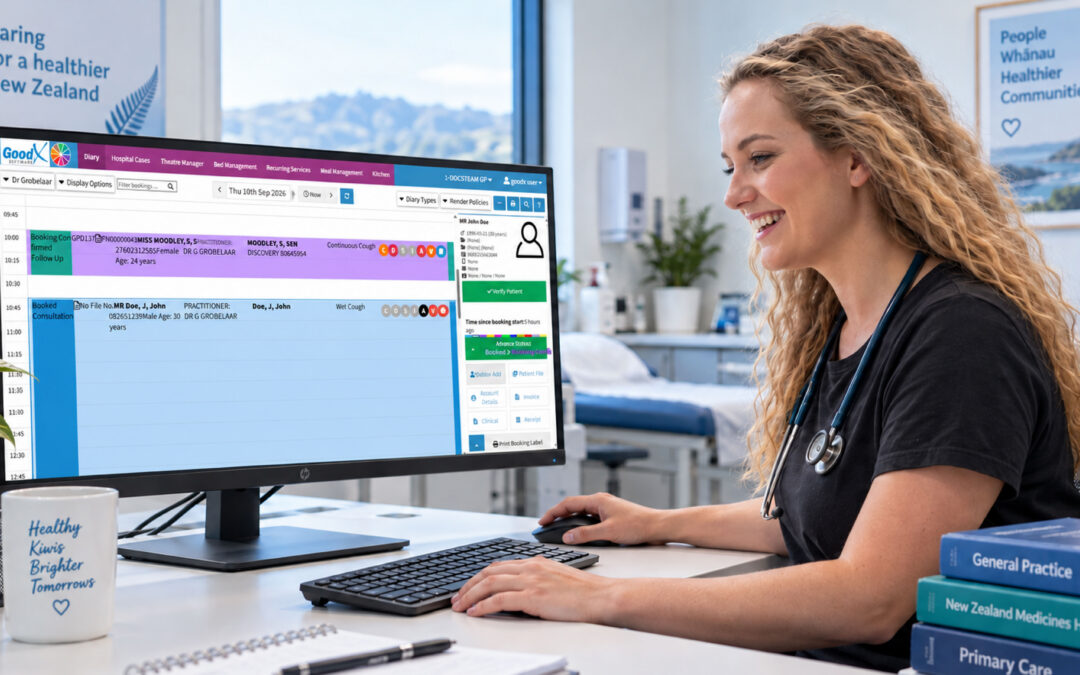
This is where an integrated practice management platform can make a practical difference. GoodX medical practice software brings scheduling, patient records, communication and billing into one system, so patients and staff aren’t dealing with several disconnected tools just to book an appointment, ask a question or check on a claim.
Patient Engagement and Whānau
In many healthcare situations, patients don’t manage their care entirely on their own.
Family members, caregivers and whānau may play an important role in supporting appointments, treatment, communication and ongoing health management.
Healthcare organisations should therefore consider how appropriate support people can be involved in care while respecting the patient’s preferences, privacy and decision-making rights.
This fits naturally with New Zealand’s wider focus on giving people, whānau and communities a stronger voice in health and service design.
The important thing is to make involvement meaningful and appropriate, rather than assuming every patient wants the same level of family participation.
How Healthcare Practices Can Improve Patient Engagement
Patient engagement doesn’t always require a major technology investment.
Small changes in everyday interactions can make a difference.
Listen More Carefully
Give patients time to explain their concerns rather than immediately moving to the next question.
Explain Clearly
Avoid unnecessary jargon and explain what the patient needs to know in a way they can understand.
Encourage Questions
Patients should feel comfortable asking questions about their condition, treatment and next steps.
Involve Patients in Decisions
Where appropriate, explain options and discuss what matters to the patient.
Make Follow-Up Easier
Clear instructions and convenient communication can help patients understand what happens after the appointment.
Use Technology Carefully
Digital tools should make communication and access easier, not create additional barriers.
Ask for Feedback
Patient feedback can reveal problems that staff may not see themselves.
Close the Communication Loop
If a patient raises an issue, make sure there is a clear process for responding.
These changes may sound simple.
But patient engagement is often built through many small interactions, not one large initiative.
A practice management system like GoodX medical practice software can support several of these steps directly, from appointment and follow-up communication through to keeping patient information in one place so staff can respond to questions without hunting through separate systems.
Measuring Patient Engagement
If a practice wants to improve engagement, it needs some way to understand whether its efforts are working.
Possible measures include:
- Patient feedback
- Patient satisfaction
- Appointment attendance
- Follow-up completion
- Portal or digital tool usage
- Patient communication response rates
- Participation in care planning
- Complaints and compliments
- Patient retention
- Staff observations
The right measures will depend on the practice.
The goal isn’t to create another mountain of data.
It’s to identify whether patients are actually becoming better informed, better supported and more involved in their care.
Common Mistakes With Patient Engagement
Not every engagement strategy works.
Some common problems include:
Treating Technology as the Solution
Technology can support engagement, but it can’t replace communication or relationships.
Giving Patients Too Much Information
More information doesn’t necessarily mean better understanding.
Asking for Feedback Without Acting on It
If patients repeatedly provide feedback and nothing changes, they may become less willing to participate.
Assuming Every Patient Wants the Same Thing
Different people have different preferences, needs and levels of confidence.
Making Engagement the Patient’s Responsibility
Patients need support from healthcare providers and systems.
Measuring Engagement Only Through Satisfaction
Satisfaction is useful, but it doesn’t capture every aspect of meaningful participation.
The Bottom Line: Why Is Patient Engagement Important?
So, why is patient engagement important?
Because patients are not simply the people receiving healthcare.
They are participants in it.
When people are informed, listened to and involved in decisions about their care, they have a greater opportunity to understand their health and participate meaningfully in the healthcare process.
Patient engagement can support:
- Better communication
- Shared decision-making
- Self-management
- Patient experience
- Healthcare quality
- Care coordination
- Potentially better outcomes
- More efficient healthcare processes
It isn’t a magic solution, and it shouldn’t be treated as one.
Financial benefits shouldn’t simply be assumed, and technology shouldn’t be mistaken for engagement.
The real value comes from creating a healthcare environment where patients and healthcare professionals work together.
For New Zealand healthcare providers, this approach also fits with the wider emphasis on patient voice, communication, informed choice and person- and whānau-centred care.
Ultimately, good patient engagement is fairly simple to describe:
Listen. Explain. Involve. Support. Follow up.
When those principles become part of everyday healthcare, patients have a stronger opportunity to participate in their care — and practices have a better opportunity to deliver care that is responsive to the people they serve.
Frequently Asked Questions
Why is patient engagement important?
Patient engagement is important because it gives patients a more active role in their healthcare. It can support communication, shared decision-making, self-management, patient experience and quality of care.
What are the benefits of patient engagement?
Potential benefits include better communication, greater patient involvement, improved self-management, stronger patient-provider relationships and potentially better healthcare outcomes.
How does patient engagement affect healthcare outcomes?
Engaged patients may be better positioned to understand their care, participate in decisions and manage aspects of their health between appointments. However, outcomes are influenced by many factors and engagement alone does not guarantee a particular result.
Does patient engagement improve patient satisfaction?
It can support patient experience by helping people feel informed, heard and involved. However, engagement doesn’t automatically guarantee satisfaction.
How does technology support patient engagement?
Patient portals, mobile applications, online communication and other digital tools can give patients additional ways to access information and participate in their care. Technology works best when it supports — rather than replaces — human communication.
What does patient engagement mean in New Zealand healthcare?
In New Zealand, patient engagement fits closely with principles such as effective communication, being fully informed and informed choice and consent under the Code of Health and Disability Services Consumers’ Rights. The broader health strategy also emphasises the voice of people, whānau and communities in health decisions and service design.
How can a medical practice improve patient engagement?
Practices can improve engagement by communicating clearly, encouraging questions, involving patients in decisions, making follow-up easier, listening to feedback and using digital tools where they genuinely improve access and communication.
How does GoodX medical practice software fit into patient engagement?
GoodX medical practice software brings patient information, scheduling, communication and billing together within one practice management system. This can support patient engagement by making it easier for staff to communicate clearly, manage follow-up and keep track of the day-to-day interactions that help patients stay informed and involved in their care. Practices should still assess whether the platform’s specific features match how they want to engage with their own patients.
Ready to Improve Your Practice’s Patient Experience?
If you’re looking for healthcare software that can help your practice manage patients, communication and everyday administration more efficiently, GoodX medical practice software can help.
Book your free GoodX demo and discover how GoodX medical practice software can support your practice.
Disclaimer: This article is provided for general informational and educational purposes only. While GoodX medical practice software takes reasonable care to ensure that the information is accurate and current at the time of publication, laws, regulations, industry standards, healthcare policies and technology may change. The content should not be regarded as medical, legal, financial or other professional advice. Readers should verify information relevant to their circumstances and consult an appropriately qualified professional where necessary. GoodX medical practice software accepts no responsibility for decisions made or actions taken solely on the basis of this content.